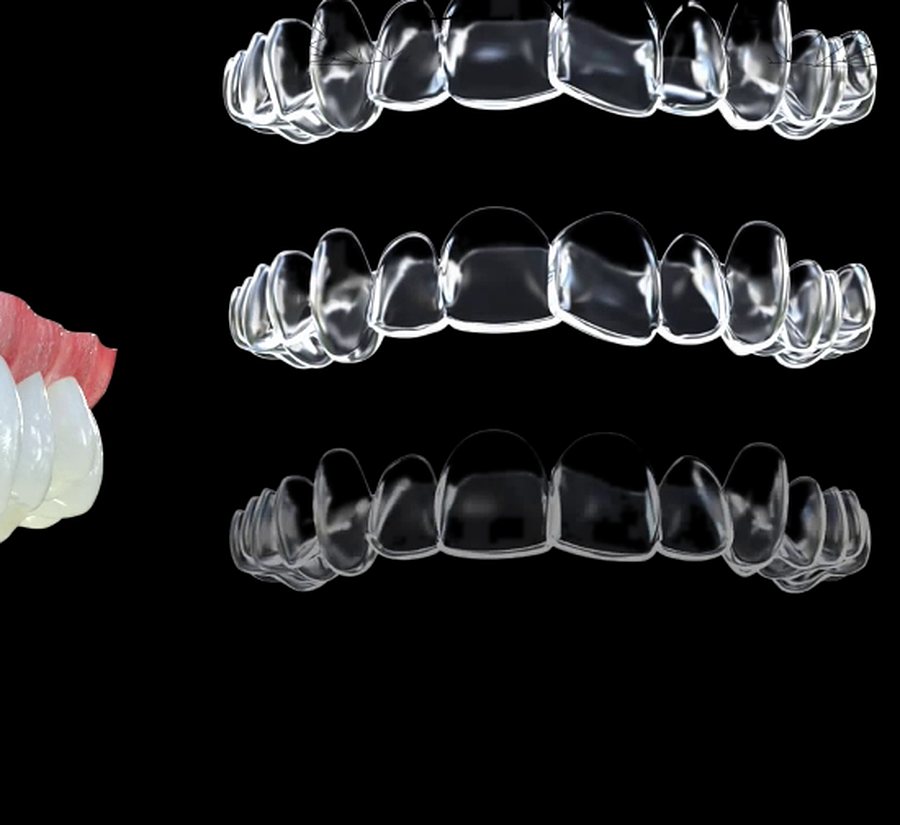

How do fixed braces work?
Small attachments (brackets) are bonded to each tooth, and a metal archwire runs through their slots. As it returns to its shape, the wire pulls the teeth towards the planned position. Elastics, springs or small anchorage screws complete the appliance for precise movements.
The types of brackets
- Metal brackets: stainless steel, small and sturdy; the most widely used, particularly in teenagers.
- Ceramic brackets: translucent or tooth-coloured, more discreet; slightly bulkier and more fragile.
- Self-ligating brackets: a built-in clip holds the wire, with no elastic ligature; less friction and sometimes longer intervals between adjustment visits (for example the Damon system).
- Lingual brackets: bonded to the inner surface of the teeth, hence invisible; often custom-made (for example Incognito or WIN), they require the tongue and speech to adapt at first.
Brands differ in bracket design, manufacturing precision and the associated archwires. The choice of appliance is made by the orthodontist according to the movements required and your priorities: discretion, comfort, budget.
The main treatment plans
In children: interceptive treatment
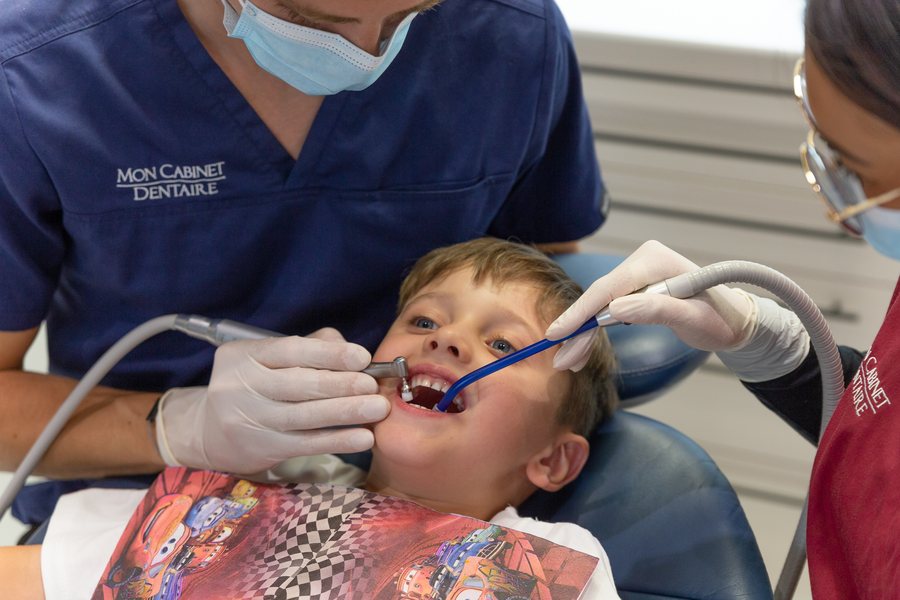
Between about six and eleven years of age, simple appliances (plates, expanders, functional trainers) correct a jaw discrepancy or guide tooth eruption while taking advantage of growth. A second phase with braces may follow in adolescence.
In teenagers: comprehensive fixed treatment
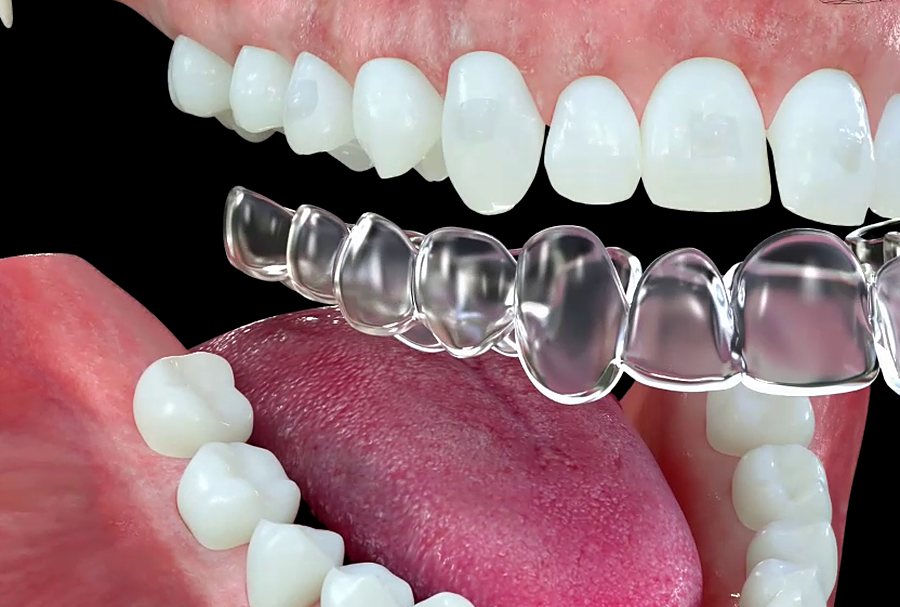
With all the permanent teeth present, the appliance aligns the teeth and corrects the bite. Ceramic brackets or clear aligners are possible when discretion matters.
In adults
Treatment is possible at any age, provided the gums and bone are healthy; periodontitis is treated first. Aligners, lingual or ceramic brackets meet the constraints of professional life.
Before a prosthesis or an implant
Targeted orthodontic treatment sometimes prepares the mouth: uprighting a tilted molar, opening or closing a space, moving a tooth up or down to recreate bone and gum before an implant.
Combined orthodontic and surgical treatment
When the discrepancy comes from the jaws themselves rather than from the teeth, orthodontics is combined with orthognathic surgery, to which we devote an article.
Retention
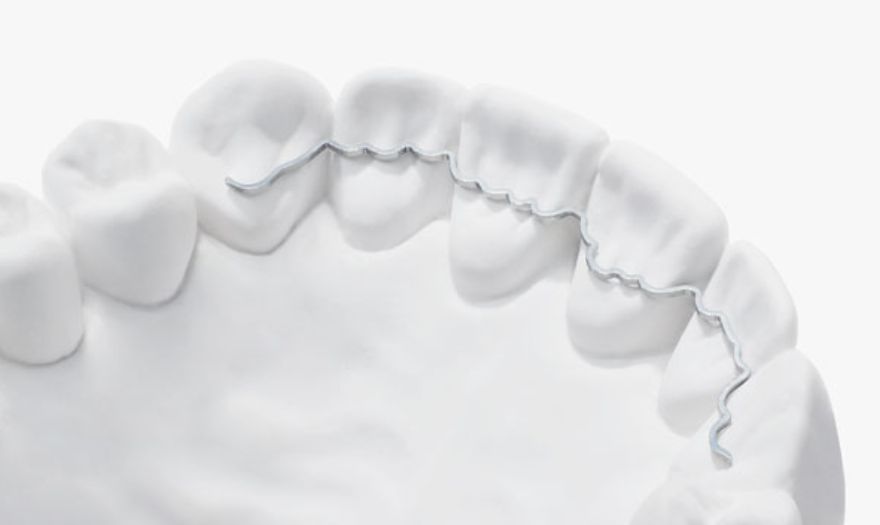
Whatever the appliance, the result is maintained by a retainer: a custom-made bonded wire, a night-time tray or both. It is a stage of the treatment, not an option.
At the practice
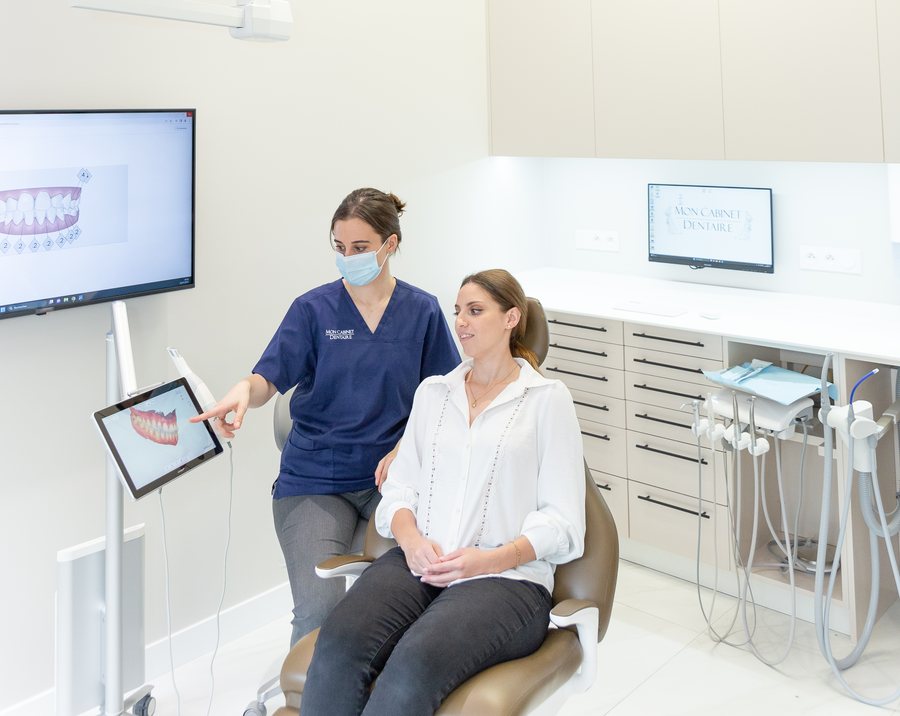
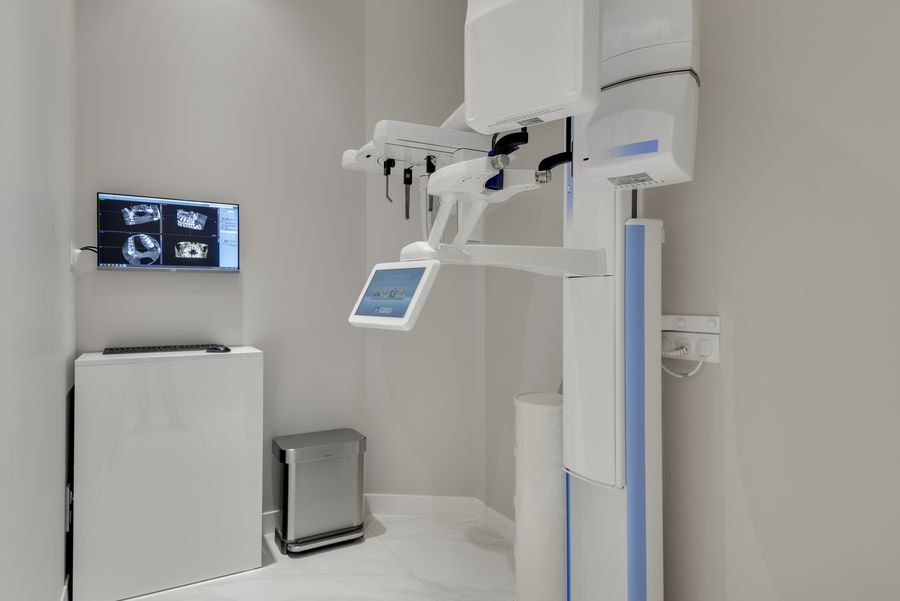
Treatments are carried out by Docteur Alison Cohen, specialist orthodontist, and Docteur Margaux Rioual. The choice of appliance is discussed at the first consultation, after the examination and radiographs.