Non-surgical periodontitis
INITIAL TREATMENT: SCALING AND ROOT PLANING OF THE WHOLE MOUTH (ALL 6 SEXTANTS)
Initial treatment is an essential phase in the management of periodontal diseases, particularly to halt their progression and enable sustained stabilization. It is a crucial step aimed at reducing bacterial load, eliminating irritants, and restoring conditions conducive to the healing of periodontal tissues.
Objectives of the Initial Treatment
Periodontitis is a chronic bacterial disease that gradually destroys the supporting tissues of the teeth, including the gums, periodontal ligaments, and the alveolar bone. For the disease to be stabilized, it is imperative to:
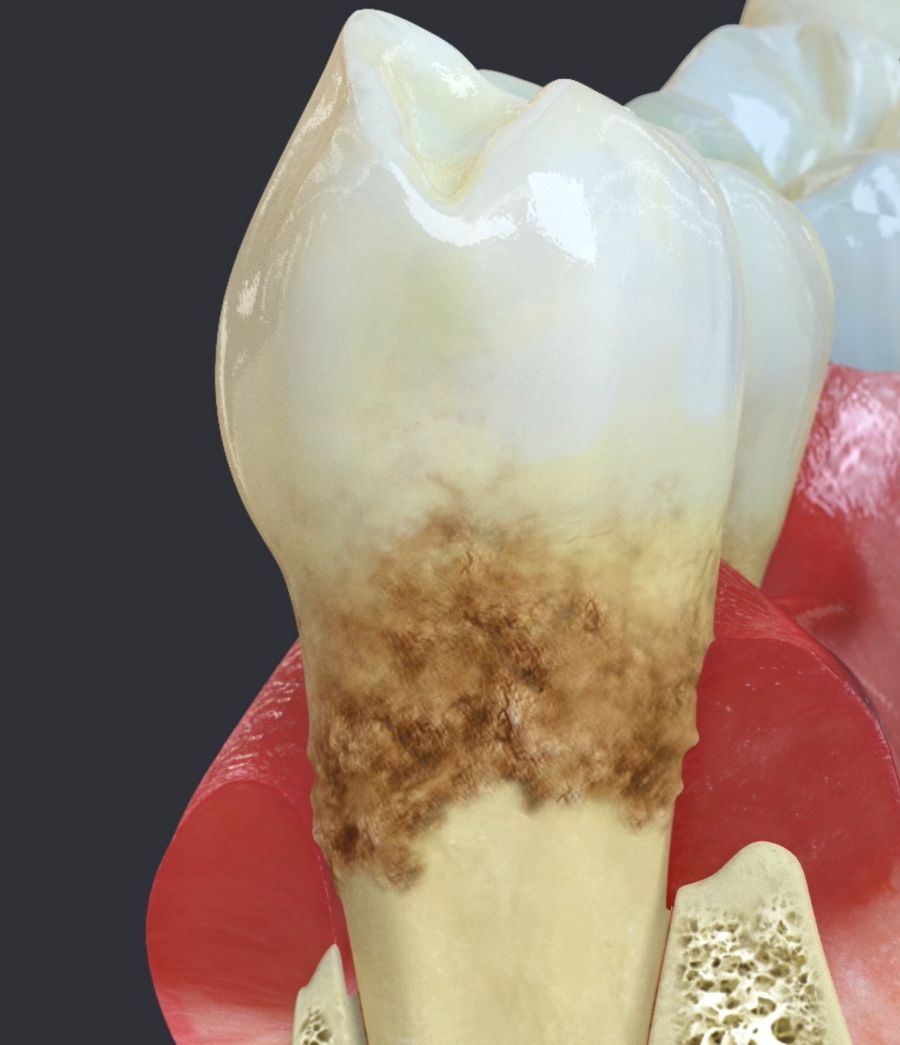
Eliminating bacterial plaque and subgingival tartar, responsible for inflammation and tissue degradation.
Reduce gingival inflammation to create an environment conducive to the healing and reattachment of periodontal tissues.
Preventing future complications, such as tooth mobility and the progression towards irreversible bone loss.
Scaling and Mechanical Root Planing
The initial treatment involves two main steps:
Scaling:
This procedure aims to remove plaque and tartar above the gum, on the visible surfaces of the teeth. Tartar forms an ideal environment for bacterial proliferation, exacerbating gum inflammation.
Ultrasonic scalers are used to break up calcified deposits effectively while limiting trauma to the gum tissue.
Mechanical Root Planing :
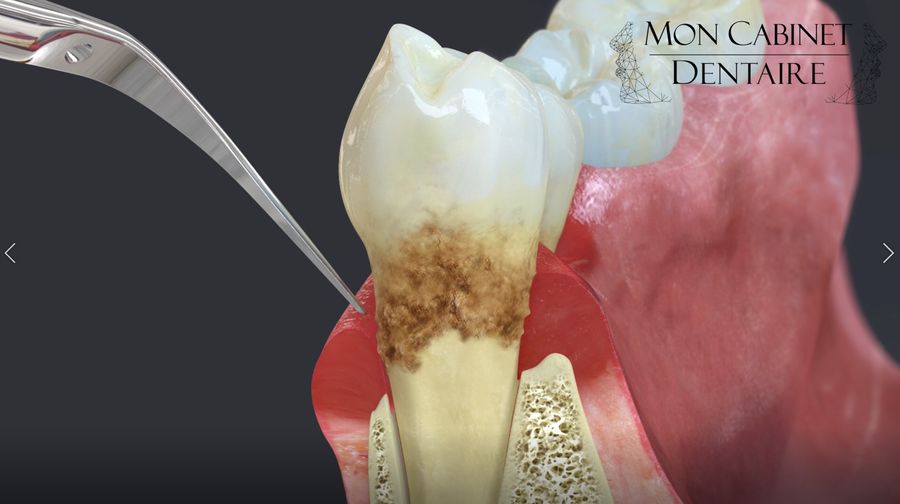
Below the gum, the treatment is root planing, the name of this procedure in the French Social Security coding (the one complementary health insurers refer to): a more thorough mechanical subgingival treatment that targets the roots of the teeth. It consists of:
Eliminate tartar deposits and bacterial biofilm embedded in the roots.
Smooth the radicular surfaces to reduce their roughness, making bacterial re-adhesion difficult.
Eliminate endotoxins and bacterial products responsible for bone destruction.
This mechanical subgingival treatment is carried out with piezoelectric inserts (piezo instruments), which clean the bottom of the periodontal pockets precisely.
Therapeutic Adjuvants: Use of Lasers
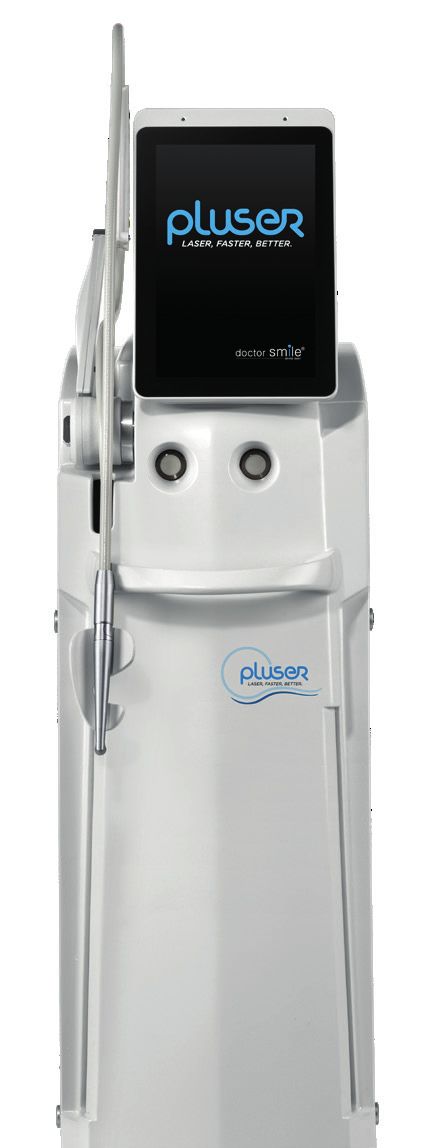
In cases of deep or recurrent pockets, the effectiveness of the treatment can be enhanced by the integration of lasers. Two types of lasers are commonly used:
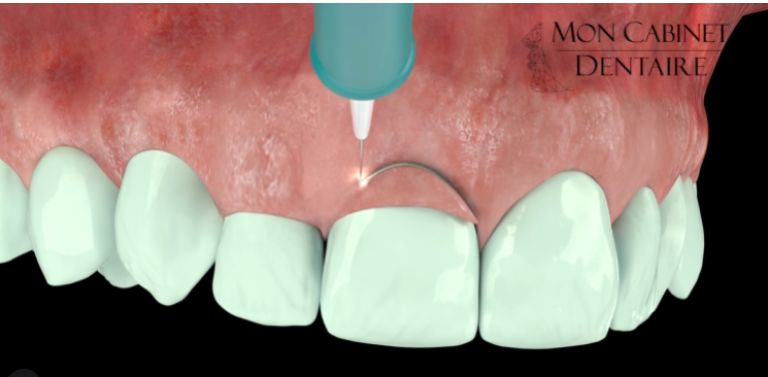
Laser Diode :
Eliminates up to 99 % of the pathogenic bacteria, including species associated with periodontal diseases, such as Porphyromonas gingivalis.
It disinfects the periodontal pockets and promotes a reduction in inflammation.
Erbium-YAG laser :
It allows to clean and disinfect the radicular surfaces while preserving healthy tissues.
Stimulates tissue regeneration by promoting the proliferation of fibroblasts and bone cells.
Studies show that the use of lasers in addition to mechanical root planing significantly improves results by reducing the depth of periodontal pockets and accelerating tissue healing.
Pain Management and Secondary Effects
The perception of pain during periodontal cleaning varies depending on the state of the gums:
Pain related to inflammation Inflamed gums are often more sensitive, making the procedure potentially uncomfortable. Local anesthesia It can be offered to maximize patient comfort, especially in areas with deep pockets or significant deposits.
Gingival retraction Following the resolution of the inflammatory edema, a slight gingival retraction may appear. This can lead to an increased exposure of the dental roots, causing temporary sensitivity to thermal variations and acidic foods. This sensitivity can be effectively managed using specific toothpastes rich in potassium nitrate or stannous fluoride.
Larger interdental spaces Gingival retraction can also reveal interdental spaces that were previously masked by inflammation. Although this cosmetic change may surprise patients, it is a sign of reduced inflammation and successful healing.
Periodontal Follow-up and Maintenance
Initial treatment is only a first step. To ensure long-term stabilization, it is essential to establish a periodontal maintenance phase :
Frequency of sessions Patients must be monitored regularly, usually every 3 to 6 months, for professional tooth-cleaning sessions and periodontal control.
Objectives :
Eliminate new accumulations of plaque and tartar before they become pathogenic.
Checking the state of the periodontal pockets and preventing their reactivation.
Strengthening the patient’s oral hygiene through personalized follow-up.
Studies show that patients who receive regular maintenance have a much lower risk of periodontal recurrence.
Results and Benefits
Well-conducted initial treatment offers many benefits for the patient:
Reduction of inflammation The gums regain a healthy color and texture.
Improvement of dental stability The reduction in the depth of the periodontal pockets favors gingival reattachment.
Preservation of natural teeth By stabilizing the disease, the initial treatment allows for the avoidance or delay of tooth extractions.
Increased comfort Thanks to the improvement of the gum condition and the reduction of inflammation, the pain and sensitivity gradually decrease.
Conclusion
Scaling and mechanical root planing are essential steps in the initial management of periodontal diseases. When combined with the use of lasers for thorough cleaning and decontamination, these procedures offer an effective solution for stabilizing the disease, reducing inflammation, and preserving periodontal health in the long term. Strict oral hygiene and regular follow-up remain essential for maintaining the achieved results and preventing relapses.
To go further, on Doctor Victor Hazout’s website: periodontitis treatment, from assessment to stabilisation.