
Specialty
Periodontist in Levallois-Perret – Periodontitis Care
Periodontitis is one of the most common chronic diseases in the world. 40% of the population is affected.
Periodontology is the part of dentistry that specializes in the treatment of parodonte, That is, the support fabrics of the tooth : gencive, bone tissue, cement and ligament periodontal.
Your specialist
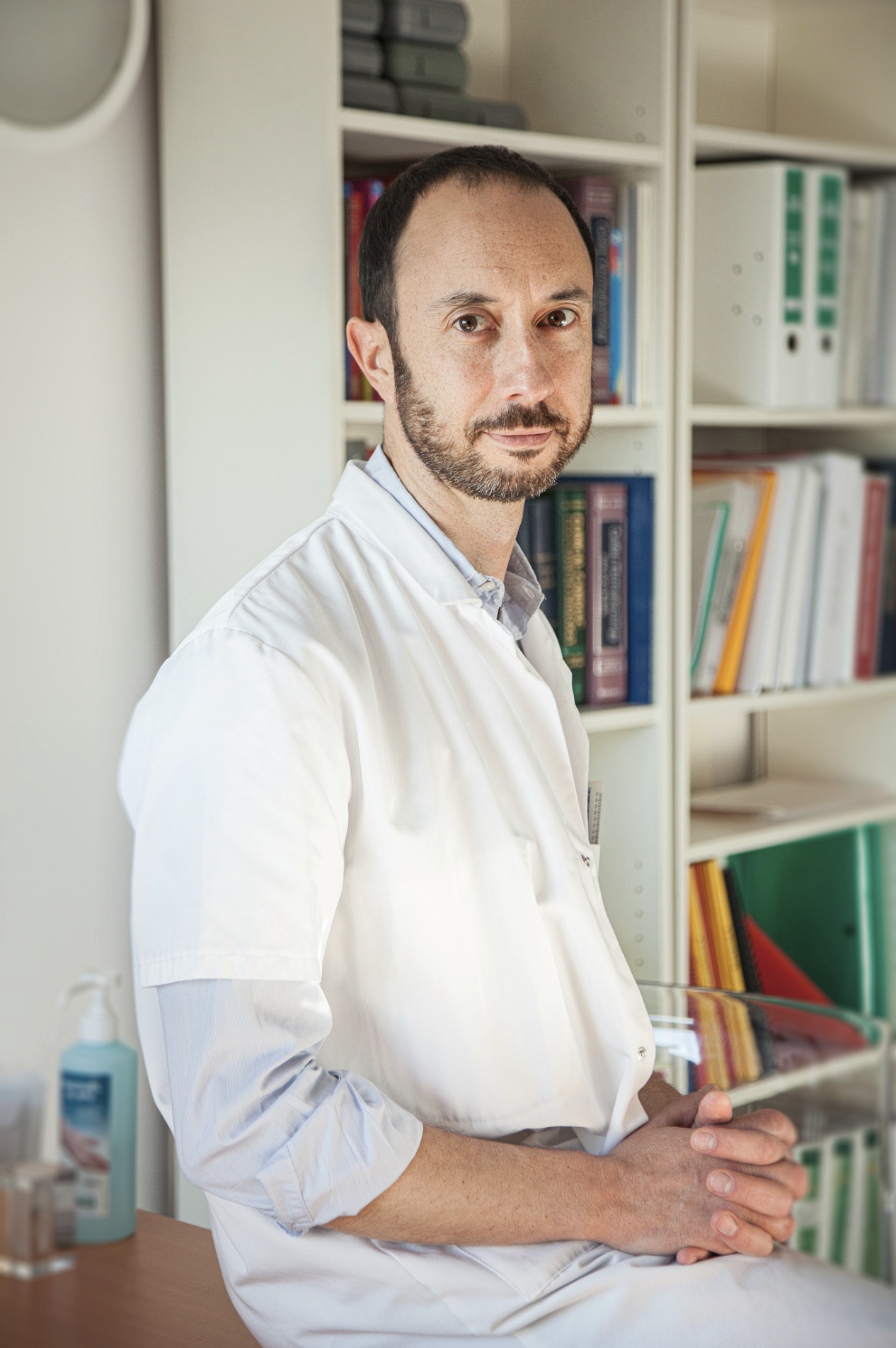
Dr Victor Hazout
Periodontist
Gingivitis It is an early stage of gum disease caused by the accumulation of bacterial plaque on the tissues surrounding the teeth. The dental plaque, a natural deposit containing bacteria, can lead to gingivitis if it is not removed by daily brushing.
Who can suffer from gingivitis?
Gingivitis is quite common. Although nearly 80 % % of adults suffer from gingivitis at some point, this is not necessarily a fatal condition. It is important to note that sometimes there is no pain or obvious signs, so some people are unaware that they are affected. This is another good reason to schedule regular check-ups with your dentist every six months to identify any possible gingivitis and suggest different treatments.
Symptoms of gingivitis:
Red, swollen, and bleeding gums are the main symptoms of gingivitis. Chronic gingivitis can lead to periodontitis and chronic bad breath. If these symptoms persist, it is important to talk to your dentist to determine the best possible treatment. In the meantime, learn what you can do to prevent gingivitis.
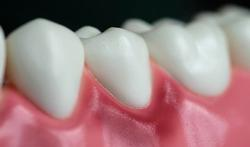
Gingivitis as a precursor to periodontitis?
If this gingivitis is not treated, it can progress to periodontitis. Subsequently, the inner layers of the gums begin to recede from the teeth. This leads to the formation of pockets on either side of the teeth. These spaces store debris that you have not managed to clean by brushing your teeth, thus causing gum infection and a receding gum line. The further the gum line recedes, the larger the pockets become. You may then lose your teeth and suffer from other serious oral diseases.
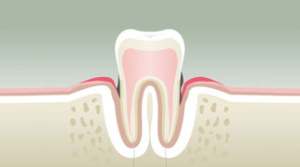
Chronic gingivitis can turn into periodontitis. The tartar migrates into the subgingival area.
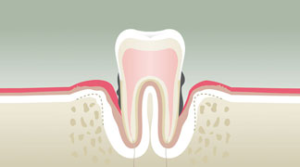
Chronic gingivitis can turn into periodontitis. The tartar migrates into the subgingival area.
The periodontal diseases are due to bacterial infections.
The periodontist prevents, diagnoses and treats gingivitis and the periodontal diseases, As well as their consequences. He also ensures the replacement of missing teeth using techniques such as bone grafts and of Implant surgery. He also treats gingival recession using the techniques of periodontal plastic surgery for root covering.
There are several treatment phases: a behavioral change aimed at controlling plaque and eliminating individual risk factors, a mechanical treatment phase aimed at removing plaque and tartar that are inaccessible to the patient’s individual hygiene, a surgical phase aimed at lifting a plaque and tartar that are inaccessible to the patient’s individual hygiene, and a final period of periodontal maintenance to ensure the results achieved in the elimination of periodontal pockets are sustained.
Periodontal health is closely linked to the balance of the oral microbiome, a complex ecosystem composed of bacteria, viruses, fungi, and other microorganisms living in the oral cavity. A symbiotic relationship in the oral microbiome is essential for maintaining the health of the periodontal tissues, while a dysbiosis can lead to periodontal diseases, such as gingivitis and periodontitis.
The Importance of the Symbiosis of the Oral Microbiome
1. Protection against pathogens:
A symbiosis in the oral microbiome contributes to protecting against the invasion and proliferation of pathogens. Beneficial bacteria can inhibit the growth of pathogens by competing for adhesion sites and nutrients, as well as by producing antimicrobial substances.
2. Modulation of the Immune System:
The oral microbiome plays a crucial role in modulating the local immune response. A healthy balance allows for effective immune surveillance without causing excessive inflammation that could damage the periodontal tissues.
3. Integrity of the Periodontal Tissues:
The symbiosis of the oral microbiome helps maintain the integrity of periodontal tissues by controlling acid levels and producing enzymes and other factors that support the health of the gums and dental structures.
Dysbiosis and Periodontitis
Dysbiosis refers to an imbalance in the oral microbiome, where pathogenic microorganisms become dominant, leading to inflammation and destruction of periodontal tissues. This imbalance can be triggered by various factors, such as inadequate lifestyle habits (poor oral hygiene, smoking), changes in diet, or systemic conditions.
1. Inflammatory response:
The increased presence of pathogens in the dysbiotic oral microbiome induces an excessive inflammatory response by the periodontal tissues, leading to the destruction of the periodontal ligament and the alveolar bone.
2. Elimination of Toxins:
Some pathogenic microorganisms release toxins that can directly damage the periodontal tissues and alter local immune function.
Treatment of Dysbiosis
The treatment of periodontal diseases aims to transform dysbiosis into symbiosis, restoring the balance of the oral microbiome. This approach may include:
1. Mechanical Periodontal Treatment:
The disinfection and root surface scaling aim to eliminate bacterial plaque and tartar, thereby reducing periodontal pathogens.
2. Analysis of the Oral Microbiome:
Specific microbiological analyses can identify the dominant pathogens, guiding the choice of targeted antimicrobial treatments.
3. Drug interventions:
According to the analysis of the microbiome, specific antibiotics can be prescribed to eliminate resistant pathogens. However, their use must be judicious to avoid the development of resistance.
4. Changes in Lifestyle:
Improving oral hygiene, making dietary changes to reduce sugar intake, and stopping smoking are essential for maintaining the balance of the oral microbiome.
5. Probiotics:
The use of probiotics specific to the oral microbiome is being explored as a way to promote the growth of beneficial bacteria and restore the symbiosis.
In conclusion, managing dysbiosis in the context of periodontal diseases is complex and requires a multifaceted approach, combining mechanical, pharmacological, and lifestyle modifications with the goal of restoring a balanced oral microbiome. Restoring the symbiosis of the oral microbiome is crucial not only for periodontal health, but also for overall health, given the links between periodontal diseases and other systemic conditions such as cardiovascular diseases, diabetes, and certain forms of cancer.
Additional strategies for restoring symbiosis:
6. Education and Prevention:
Educating patients about the importance of oral hygiene and regular visits to the dentist play a key role in preventing dysbiosis and maintaining good periodontal health.
7. Holistic Approach:
Taking into account the general health of the patient and systemic risk factors can help to personalize periodontal treatment and address the underlying causes of the dysbiosis.
8. Adjunctive Therapies:
Adjunctive therapies, such as the use of lasers in periodontology, can offer benefits by reducing inflammation and promoting the regeneration of periodontal tissues, thus contributing to the rebalancing of the oral microbiome.
Importance of Future Research:
Continued research is essential to better understand the complex interactions between the oral microbiome and periodontal health. Advances in genetic sequencing techniques and microbiological analyses make it possible to more accurately identify the components of the oral microbiome and their role in periodontal diseases. This could lead to the development of new therapeutic strategies targeting specific microbial imbalances.
The symbiosis of the oral microbiome plays a fundamental role in the prevention of periodontal diseases. Transforming dysbiosis into symbiosis requires an integrated approach that combines mechanical and targeted drug treatments, lifestyle interventions, and a comprehensive patient management. By focusing on restoring and maintaining the balance of the oral microbiome, dental health professionals can help prevent the onset and progression of periodontal diseases, while contributing to the overall health of the patient.
Laser Periodontal Treatment
The use of laser as an adjunct to mechanical treatment represents a significant advancement in the field, offering a complementary approach for the management of periodontal diseases. In this context, we will explore the decontamination and healing properties of lasers, focusing on the diode laser and the erbium-YAG (Er:YAG) laser, and examining their efficacy and mechanisms of action.
Periodontology has evolved with the integration of laser technologies, offering new treatment modalities for periodontal diseases. The laser presents significant advantages, particularly in terms of decontamination and promoting periodontal healing. Its use as an adjunct to traditional mechanical treatments allows for a more conservative and less invasive approach.
Effects of Laser on Periodontal Microbiology.
Diode and Er:YAG lasers have shown remarkable ability to reduce bacterial load in the periodontal tissue. The mechanism of action is based on the selective absorption of laser energy by bacterial components, leading to their destruction. This decontamination property is crucial, as it enables a significant reduction of pathogens responsible for periodontal diseases.
Laser Diode.
The diode laser emits a wavelength absorbed by bacterial pigments, allowing for effective targeting of periodontal pathogens. This absorption leads to an increase in temperature and the destruction of bacterial cells, thus reducing the microbial load without damaging the healthy periodontal tissue.
Erbium-YAG laser
The Er:YAG laser, in turn, is particularly effective for removing biofilm and dental calculus, thanks to its high absorption in water and in hydrophilic tissues. This characteristic allows it to eliminate infected soft and hard tissues while minimizing thermal damage to adjacent tissues.
Effects on periodontal health and the oral microbiome
Lasers have a positive impact on periodontal health, not only by reducing the microbial load but also by modifying the oral microbiome. By selectively eliminating pathogenic bacteria, lasers promote a healthier environment for the regeneration of periodontal tissues and the rebalancing of the oral microbiome.
Cicatricial Properties of the Laser
The biostimulatory effect of the Er:YAG laser contributes to tissue healing and regeneration. This stimulation promotes the production of growth factors, cell proliferation, and neovascularization, thus accelerating the healing process. Diode lasers, although less commonly used for their healing properties, can also contribute to improving the periodontal environment and promoting healing.
The Laser as an Adjunct to Mechanical Treatment
Integrating the laser into mechanical debridement protocols offers a comprehensive approach for the treatment of periodontal diseases. This combination enables access to difficult-to-reach areas, significantly reduces bacterial load, and promotes healing, thereby improving clinical outcomes.
Conclusion
The use of diode and Er:YAG lasers in periodontology represents a major advancement in the treatment of periodontal diseases. Their ability to disinfect, promote healing, and act in addition to mechanical treatments opens up new perspectives for more effective and less invasive management of periodontal pathologies.
Link between Periodontitis and General Health?
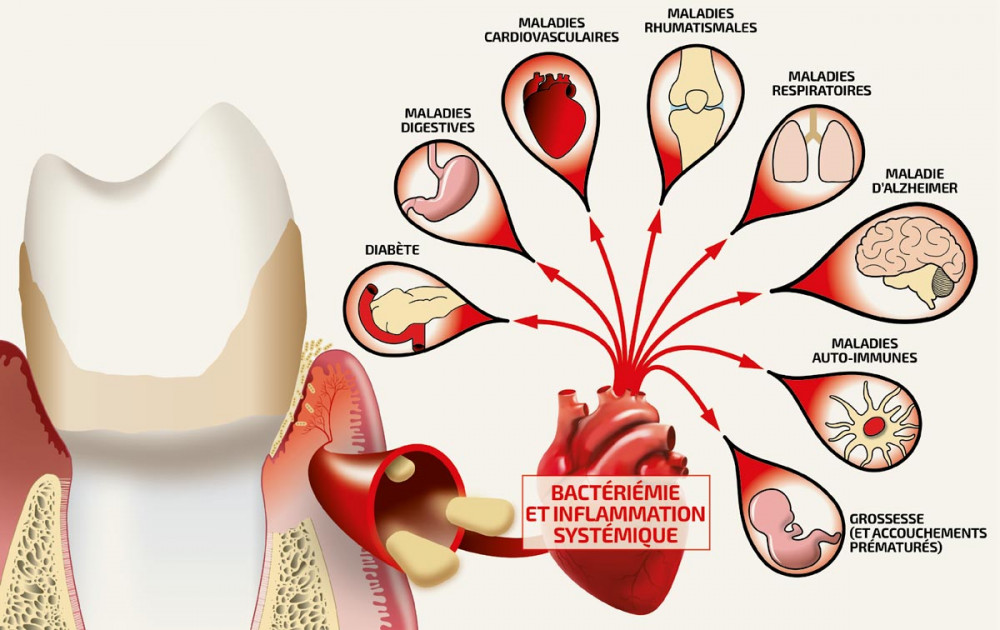
Periodontitis presents a higher risk of progression of the disease in severe cases with COVID-19.
Link between periodontitis and the severity of the Covid-19 infection?
More and more studies are investigating the possible link between severe cases of Covid-19 and the periodontal health of patients.
The initial finding being that the complications of Covid- 19 are related to a massive inflammatory reaction. And since periodontal diseases are characterized by chronic systemic inflammation, there could then be a link between the two.,
Covid-19 is a pathology caused by a Viral infection caused by the SARS-CoV-2 coronavirus, which in December 2020 affected more than 75 million people and resulted in the death of 1.6 million people worldwide.
If the majority of people infected with Covid-19 do not They will present only mild to moderate symptoms; nearly 1,4 % will develop severe forms requiring hospitalization, 5 % will be admitted to intensive care, and 2 % will die.
Critical cases are often complicated by acute respiratory syndrome, with an exacerbated immune response leading to an inflammatory response. Significant generalized inflammation caused by the release of proinflammatory cytokines, causing damage throughout the body. This is the cytokine storm syndrome. Furthermore, the severe form of Covid-19 has been associated with certain comorbidities such as hypertension, diabetes, cardiovascular diseases, age, and obesity.
Studies show clearly that the risk of complications from Covid-19 is significantly higher in patients with periodontal diseases. In fact, the periodontal pockets act as infectious and inflammatory reservoirs.
Periodontal diseases significantly increase the risk of developing a severe form of Covid-19:
3,67 complications, ,
3,54 of intensive care
4.57 intubations
8,81 deaths,
The stabilization of periodontal diseases has shown an improvement in systemic inflammatory markers. Maintaining periodontal health could therefore become an integral part of the care provided to patients with Covid-19, both in terms of prevention and treatment.
The Prominent Factors of Periodontitis
1. Inadequate oral hygiene:
2. Stress:
3. Diabetes:
4. Genetic factors:
5. Nutrition:
6. Age:
7. Medicines:
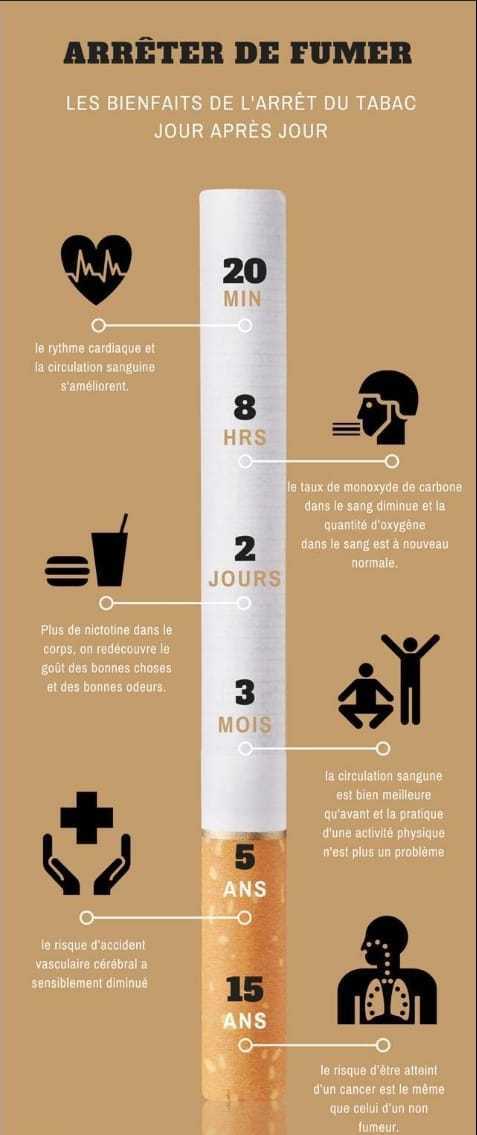
PERIODONTAL PREVENTION
The mouth is the gateway to our body. It can also display signs of serious health problems occurring in other regions of the body. That is why it is essential to visit the dentist regularly. One of the diseases that should be avoided at all costs is periodontal disease. Often associated with gingivitis, this disease affects the gums and can affect other areas of the mouth such as the teeth and gums. For this reason, it is important to raise awareness about the disease, its prevention methods and the various treatments.
To clean all your teeth thoroughly without forgetting any, simply brush them in the same order, starting with the upper teeth and then the lower ones.
Then proceed as follows:
- Place the brush at the gum/tooth junction, and tilt it so that it forms an angle of 45 degrees with the teeth.
- With a semi-circular motion of the wrist, make the brush make a rolling motion. grows towards the tooth, and only in that direction, To remove plaque and food debris from the teeth.
The toothbrush does not allow you to reach all the spaces between the teeth completely. That is why it is useful to complement the brushing with a cleaning with a dental floss.
There is evidence that rotating and oscillating toothbrushes reduce plaque and gingivitis more than side-to-side motion toothbrushes in the short term.
Brush each tooth, one after the other. The heads of the electric toothbrushes usually brush one tooth at a time, and they should be placed at the pink/white junction (that is, gum/tooth). Guide the brush along the outer, inner, and chewing surfaces of the teeth. You should brush your teeth for 2 minutes to ensure that you have brushed every tooth thoroughly.
MECHANICAL TREATMENT (radical surface treatment) NON-SURGICAL ANTIBACTERIAL WITH OR WITHOUT LASER
This is the treatment that is offered in the first instance. For periodontitis to heal, all plaque and tartar must be removed from the surfaces of the teeth during a professional dental cleaning. The treatment consists of cleaning under the gum, inserting fine instruments between the gum and the tooth, into the periodontal pockets. It is often compared to a deep cleaning.
This treatment can be combined with lasers to clean very deep pockets.
Once the treatment is completed, and to maintain the results for as long as possible, it is essential to establish a very rigorous follow-up that will last a lifetime. This is what is known as periodontal maintenance. These are very meticulous sessions of gum cleaning that help prevent a re-infection of the gums.
THE LASER SURGICAL TREATMENT FOR OSSEOUS REGENERATION
The tissues destroyed by periodontitis generally cannot be repaired on their own. In some special cases, these tissues can be partially or completely reconstructed by surgery.
This treatment combined with Diode and Erbium Yag lasers (antimicrobial, antifungal and antiviral effect) consists of cleaning and disinfecting very deeply around the teeth by surgically lifting the gum tissue, under local anesthesia. When the destruction of the periodontal tissue forms a crater around the tooth (this is referred to as an «intraosseous defect»), it is possible to regenerate the periodontal tissue up to the upper limits of the defect through regenerative periodontal surgery.
The defect can be filled with a substitute bone material. It is also possible to use a resorptive or non-resorptive «membrane» (synthetic or of animal origin). Placed between the intraosseous defect and the gum that covers it, it allows for complete regeneration of the tooth support by preventing the gum from entering the defect. Another technique involves reproducing the events that occur during tooth formation to recreate the lost bone support. To do this, a growth factor gel is applied to the surface of the dental root during the regenerative surgery.
CONJUNCTIVE GENCIVE GRAIN
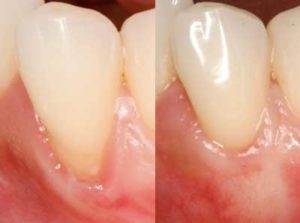
Gingival grafting restores thickness and height to the weakened gums, stopping their recession. Both reparative, preventive and plastic, this surgery strengthens the supporting tissues to protect the teeth and, often, restore a beautiful smile.
EPITHELIAL-CONJUNCTIVE GRPHERE OF GENCIVE
Gingiva retracting or «long tooth» appearance: A tooth affected by gingival retraction appears «elongated». The tooth is actually perfectly normal, but the receding gums make the teeth appear abnormally long, because in addition to the crown, the root becomes visible. This elongation is particularly unsightly, and refers to the inobjective notion of aging.
Gingival grafting restores thickness and height to the weakened gums, stopping their recession. Both reparative, preventive and plastic, this surgery strengthens the supporting tissues to protect the teeth and, often, restore a beautiful smile.
THE ETIOLOGY OF THE SMILE
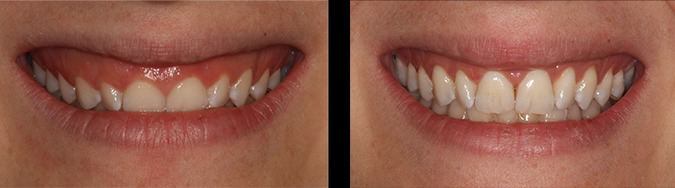
This surgery allows the gum to be aligned with the crown of the teeth. Some patients have short teeth, which ages the appearance of their smile. In some cases, the gum can be repositioned towards the root of the tooth to expose more teeth.
Some people do not like their smile because their gums are too visible when they smile. A gingivectomy is a quick and durable procedure that lengthens the teeth. Removing excess gum also allows for better dental hygiene. Excess gum can also occur during orthodontic treatment.
When the visible teeth in a smile are misaligned, the gumline can be irregular. By straightening out teeth that are too short, the dentist can straighten the gumline and thus improve the aesthetics and symmetry of the smile’s teeth:
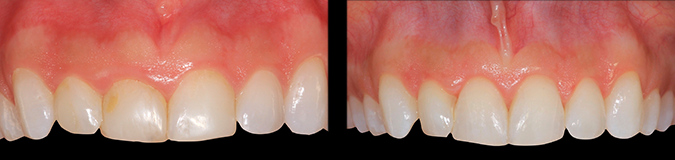
PLASTIC SURGERY ASSOCIATED WITH THE EYEBROWS
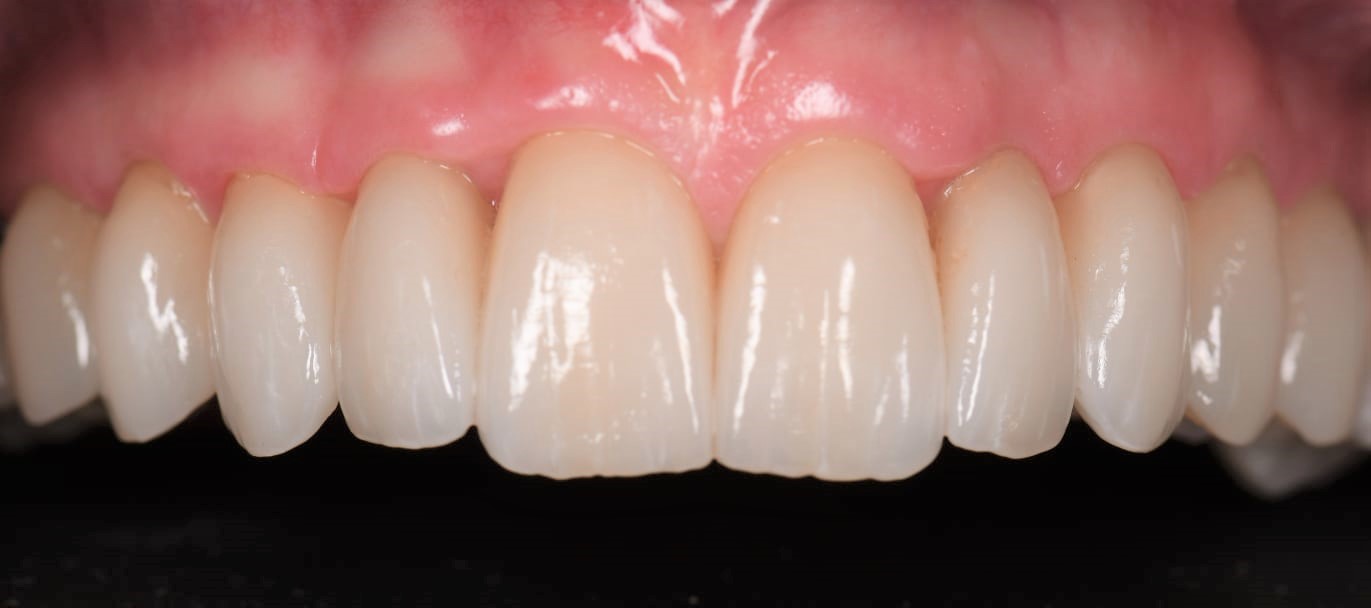
This surgery, combined with the placement of veneers, allows the gum to be aligned with the teeth. The black holes (spaces between the teeth) are the result of periodontitis. Once the periodontitis is treated, the patient wishes to regain a harmonious and natural smile.
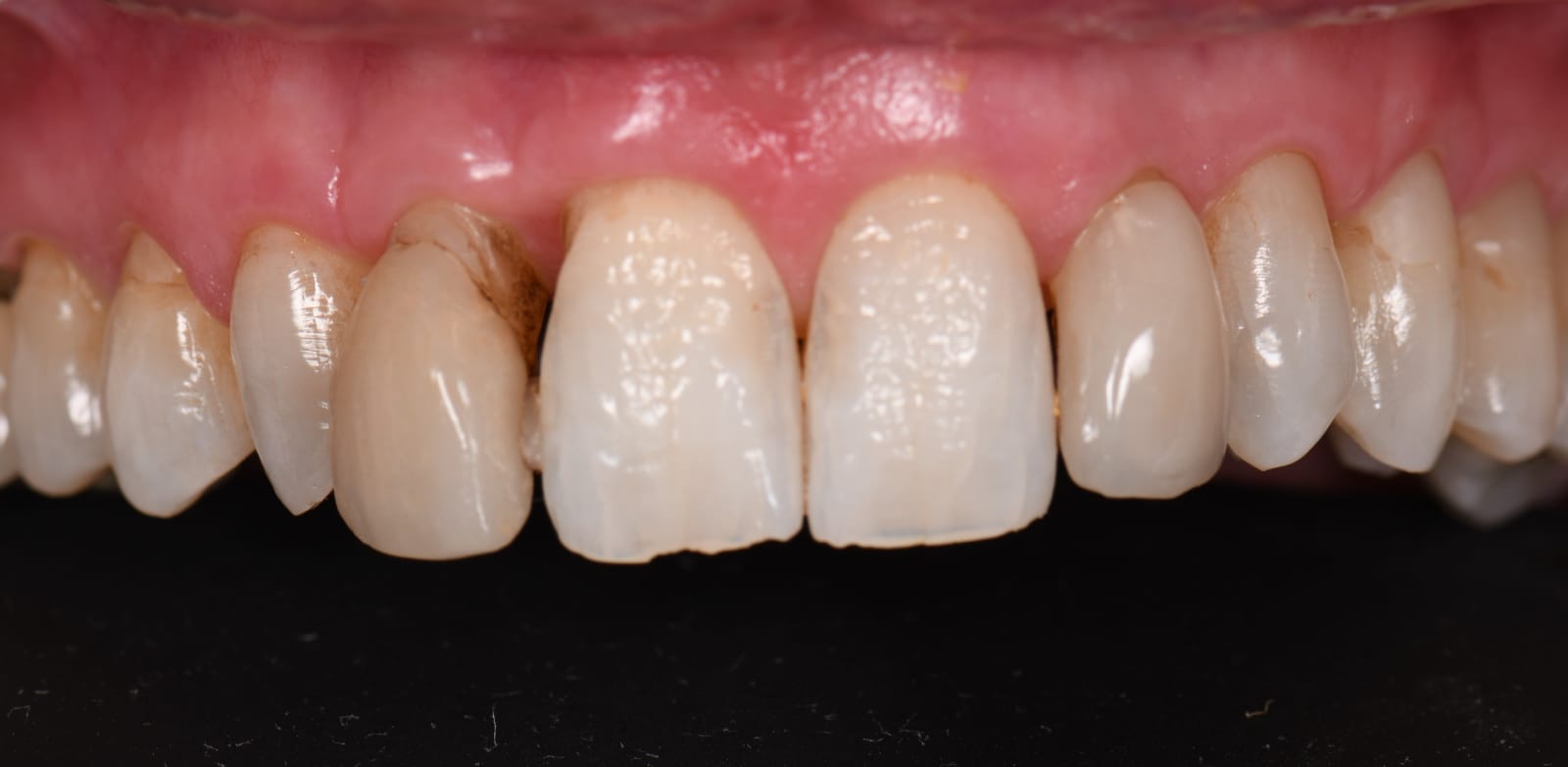
Gingival grafts and veneers have yielded this result:
My Dental Clinic
My Dental Clinic
119 Rue du Président Wilson
Ground floor on the right
92300 Levallois-Perret
contact@mon-cabinetdentaire.com
Tél: 01 42 67 05 04
Monday-Friday: 9:00 a.m. to 7:00 p.m.
Sam: 9:00 a.m. to 4:00 p.m.