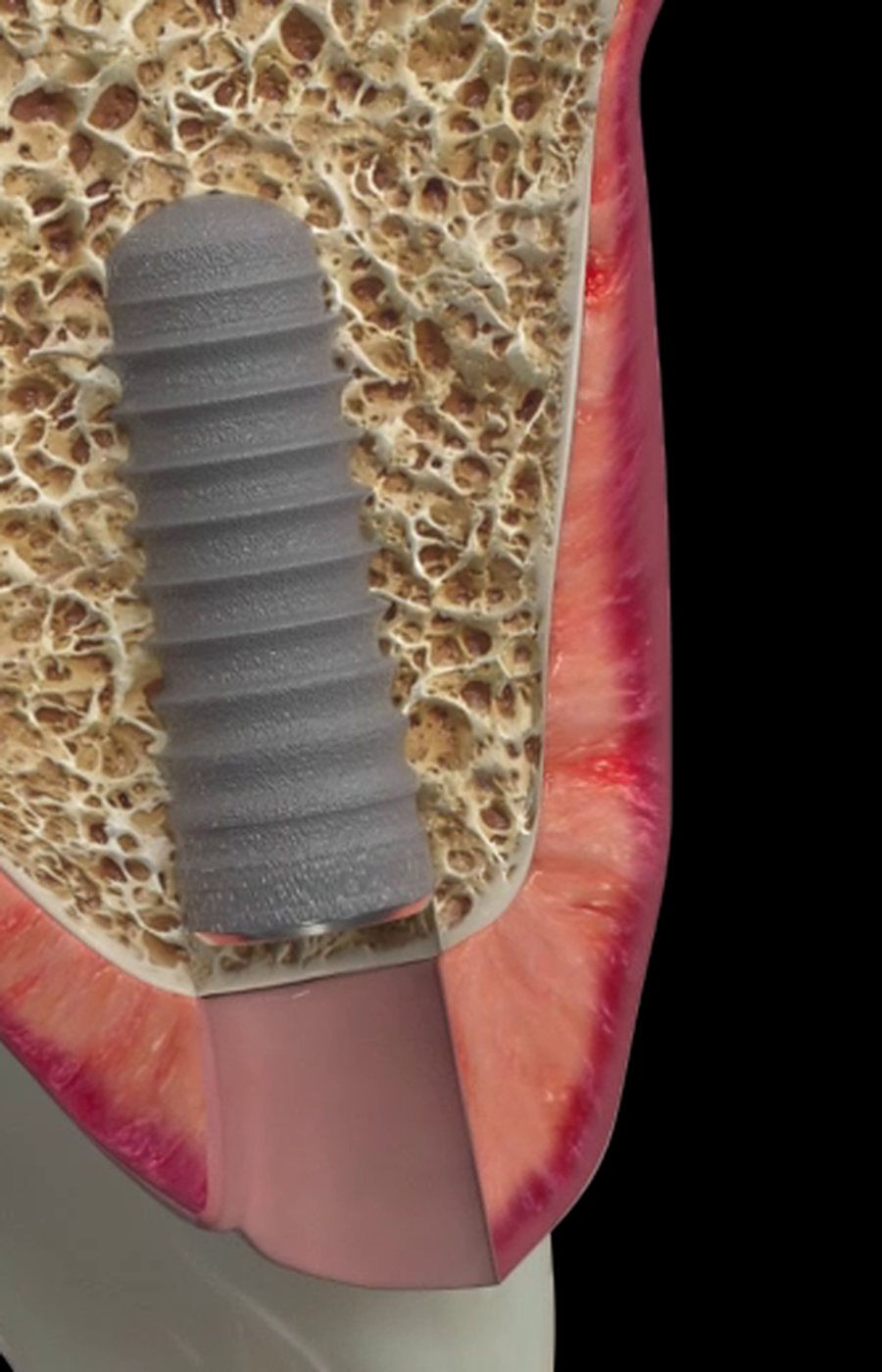
What is dental agenesis?
Dental agenesis is the absence of one or more permanent teeth that never developed. It affects about 6% of the population, not counting wisdom teeth, and slightly more often women. The teeth most often missing are the lower second premolars and the upper lateral incisors.
Agenesis is sometimes accompanied by a neighbouring tooth that is smaller or differently shaped, as in one of the cases shown below.
What you may notice
- Visible gaps in the smile, especially when a lateral incisor is missing.
- Neighbouring teeth that drift or tilt into the empty space.
- A baby tooth that sometimes stays in place of the missing tooth.
Treatment options
The choice depends on age, the number of missing teeth, the space available, the bone and the gum. It is often planned by several people: orthodontist, surgeon, restorative dentist and dental technician.
- Orthodontics: opening the space for a future tooth, or closing it, depending on the situation.
- Implant and ceramic crown: the missing tooth is replaced without touching the neighbouring teeth, once growth is complete.
- Bonded bridge: a ceramic tooth held by a wing bonded to a neighbouring tooth.
- Veneers or thin bonded ceramic pieces: they harmonise the shape and size of the neighbouring teeth.
At the practice
The treatment plan is drawn up after the examination, radiographs and digital impression. It is shown on screen before treatment begins.
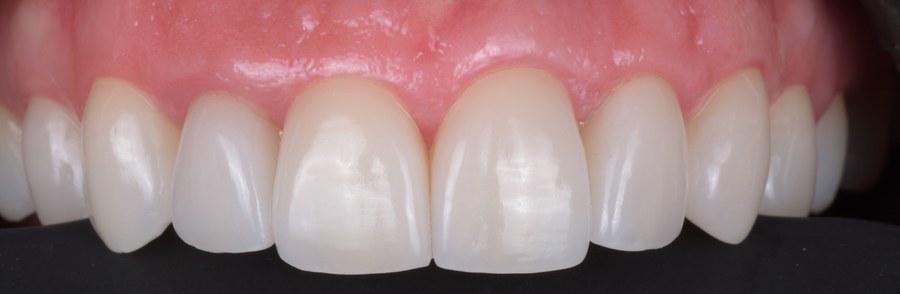
One missing lateral incisor: implant and crown
The lateral incisor had never developed and left a gap in the smile. It was replaced by an implant carrying a ceramic crown.
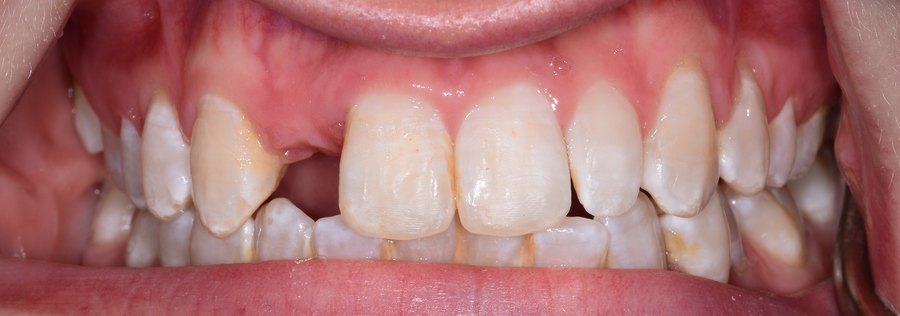
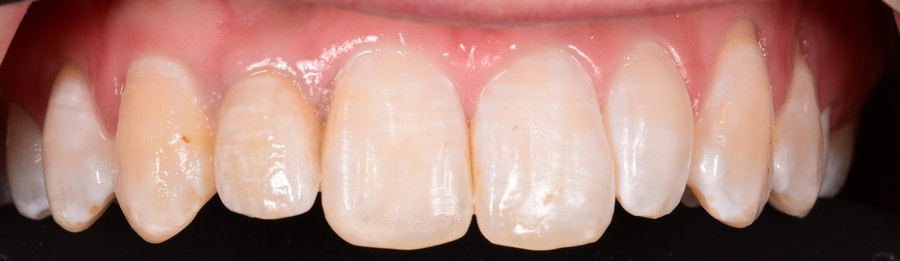
Photos of a patient treated at the practice, published with written consent, without retouching. Each result is specific to the person.
Two missing teeth: two implants and thin veneers
Two teeth had not developed. Two implants replaced them, and thin bonded ceramic pieces (“chips”) harmonised the shape of the neighbouring teeth.
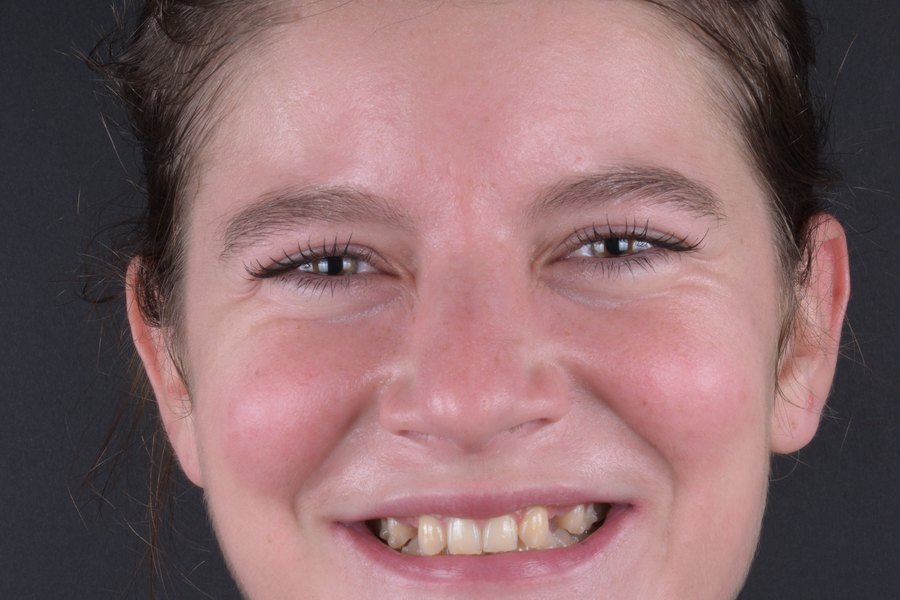
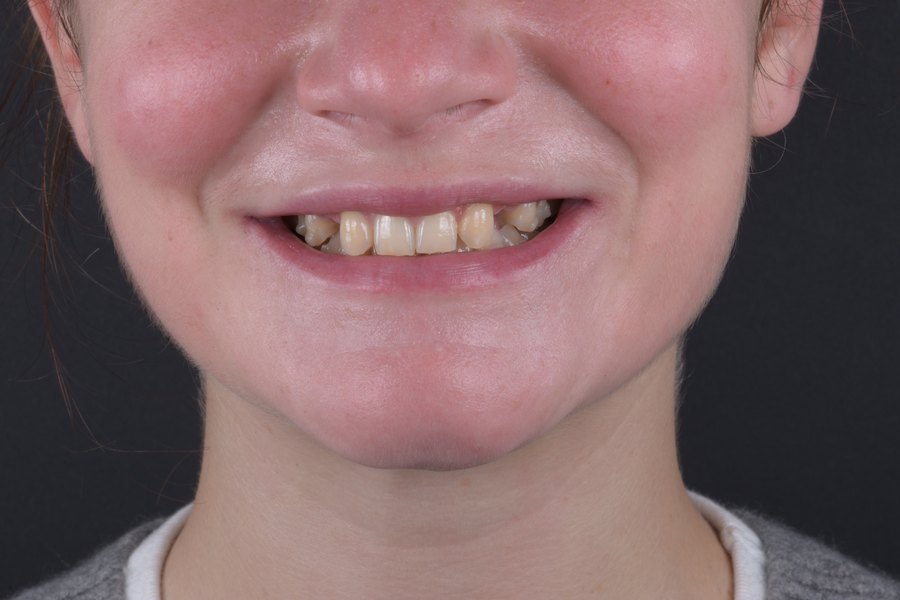
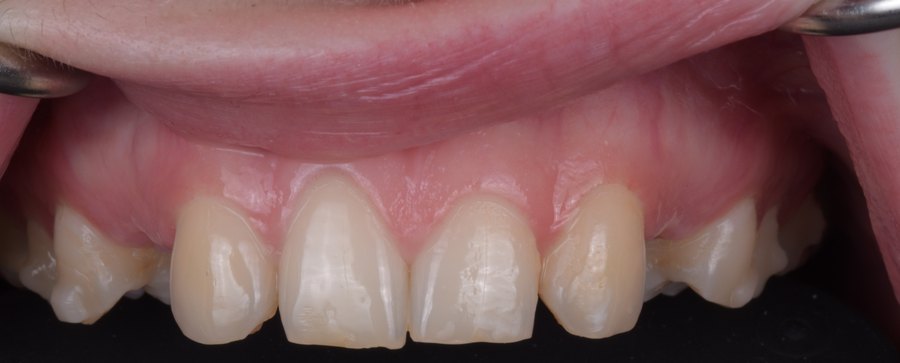
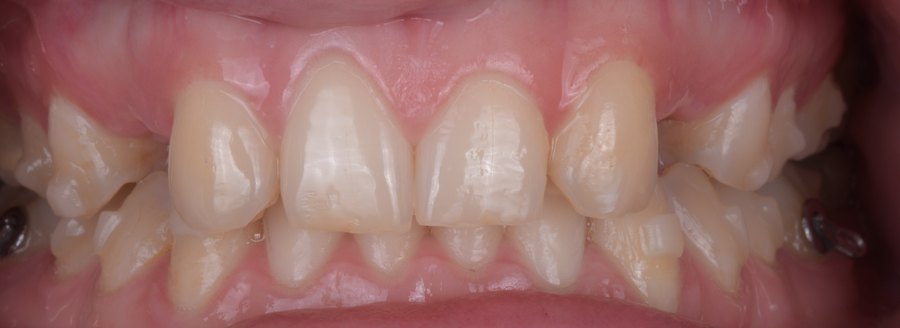
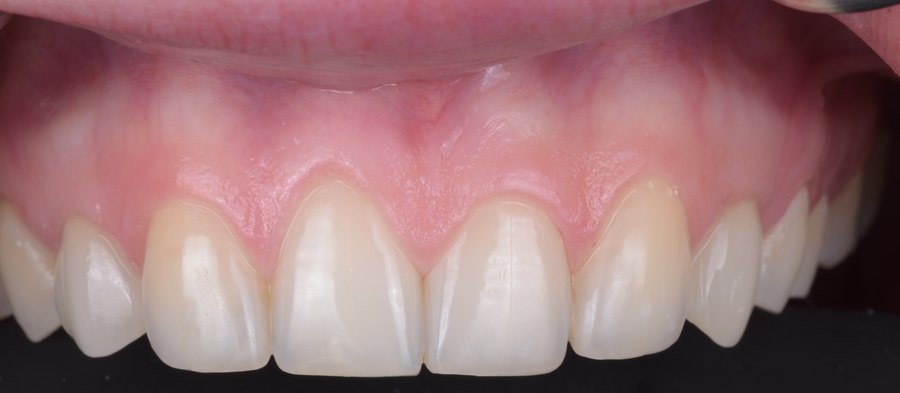

Photos of a patient treated at the practice, published with written consent, without retouching. Each result is specific to the person.
Agenesis and a small tooth: full rehabilitation
One tooth was missing and another was small and rounded, leaving gaps in the smile. All the front teeth were restored.
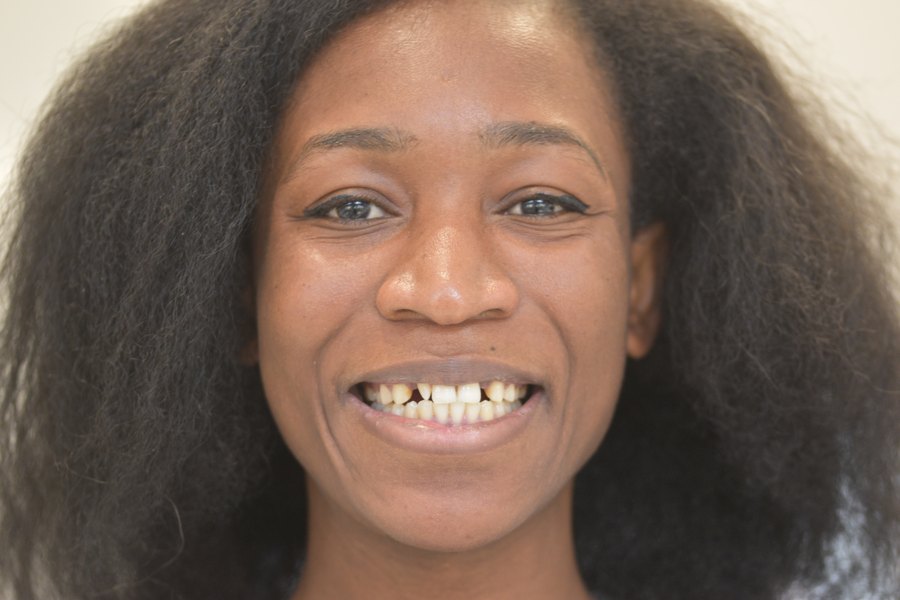
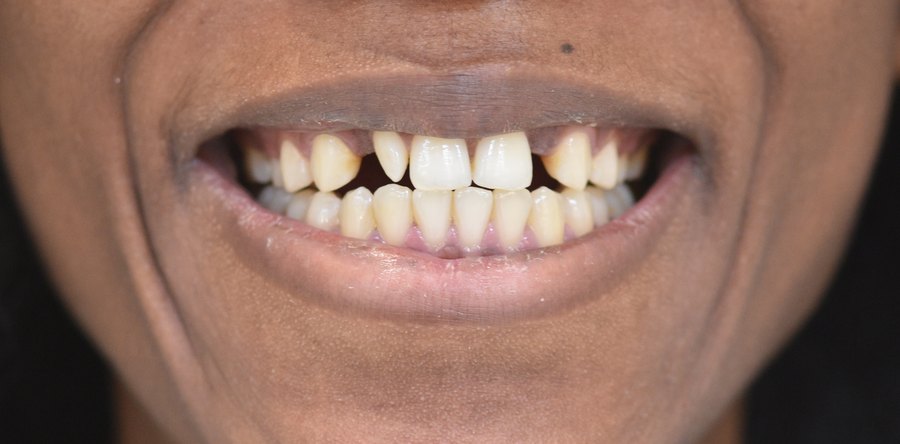
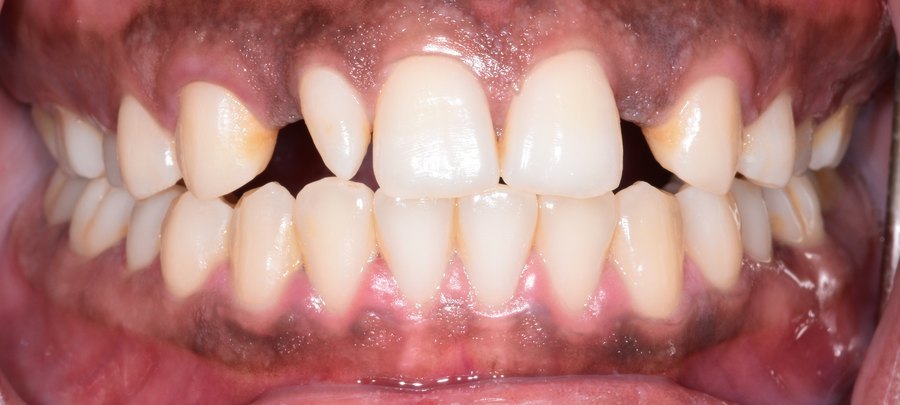
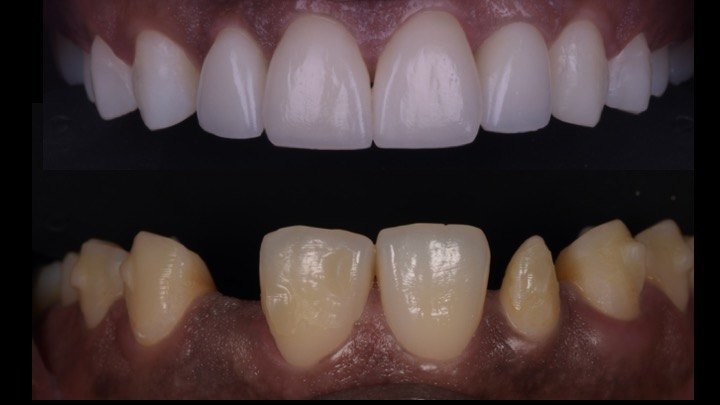
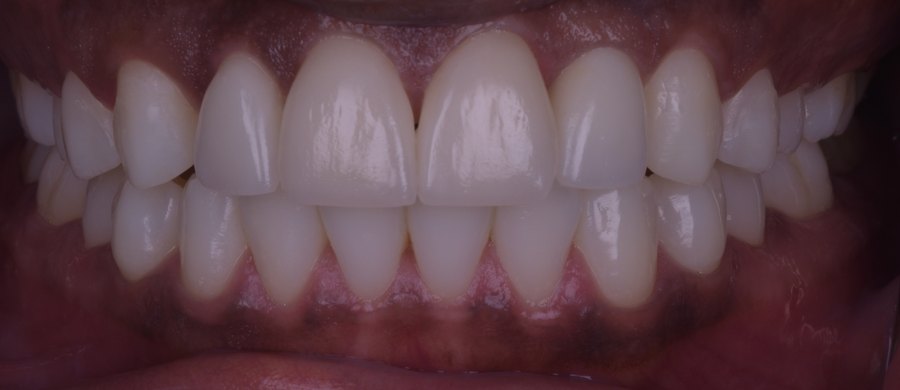
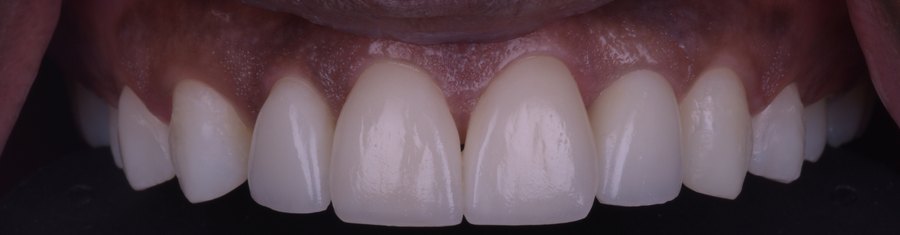
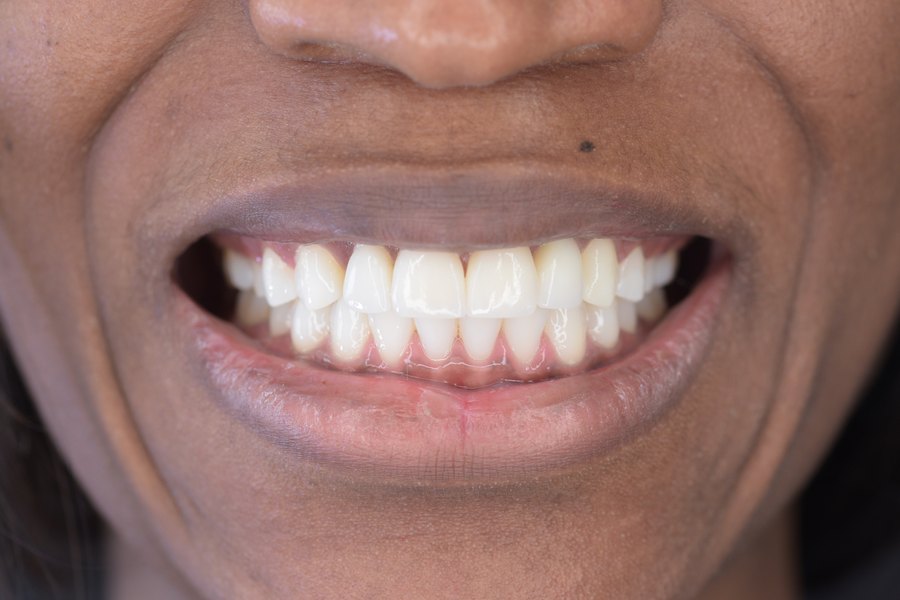
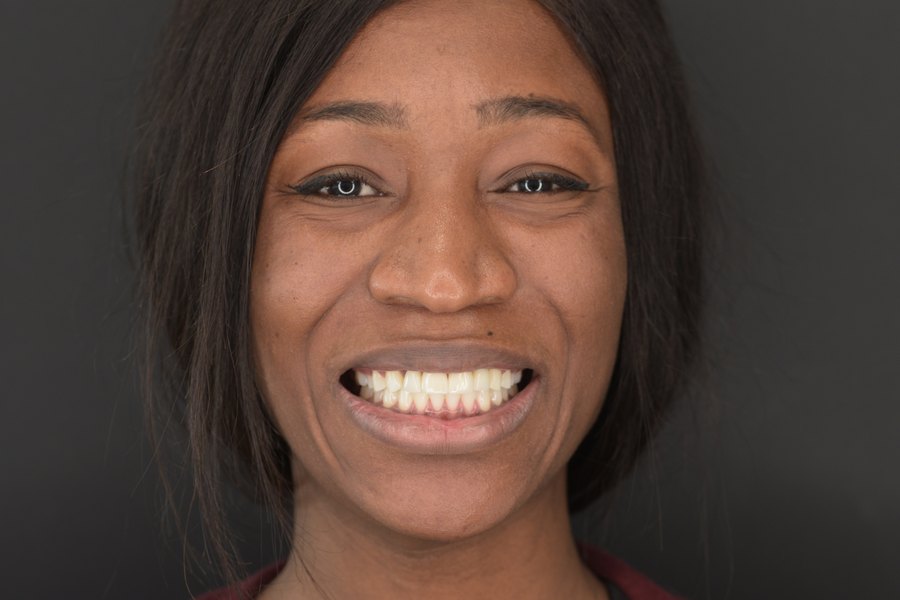
Photos of a patient treated at the practice, published with written consent, without retouching. Each result is specific to the person.
Sources
- Khalaf K. et al., “Prevalence of hypodontia and associated factors: a systematic review and meta-analysis”, Journal of Orthodontics, 2014 (accessed 20 October 2026)
- Dallel I. et al., “Agenesis of the upper lateral incisors: study of an orthodontic population and clinical illustration”, International Orthodontics, 2018 (accessed 20 October 2026)