
Specialty
Cosmetic Dentistry in Levallois-Perret
Our cosmetic dentists combine advanced smile analysis, ceramic veneers, professional teeth whitening and minimally invasive restorative dentistry to create a natural, harmonious and personalised result while preserving healthy tooth tissue.
We work exclusively with cutting-edge technologies and specialized French artisans, guaranteeing quality and durability.
Inlays, Onlays and Overlays
Inlays, onlays, and overlays made of ceramic are modern alternatives to conventional crowns. These dental restorations allow you to repair your teeth while preserving their natural structure.
What are inlays, onlays and overlays?
- Inlay Replaces part of the inner part of the damaged tooth.
- Onlay It covers a larger area, including some cusps (small elevations present on the visible part of your tooth).
- Overlay Protects the entire upper surface of the tooth while preserving the walls intact.
Why choose these techniques?
- Non-invasive Unlike crowns, they do not involve reducing a large part of the healthy tooth.
- Resilient and durable Made of ceramic, they ensure a long lifespan.
- Elegant and discreet Their shade is customized for an invisible appearance.
- Respect for dental tissues Only the damaged parts are replaced.
Course of treatment
- First session : Placement of a latex operating field around the tooth. Preparation and taking of impressions (digital or traditional), with perfect isolation for precise work without the risk of ingesting debris during the procedure. A temporary dressing is placed at the end of the session.
- Second session Installation of the ceramic piece, designed by our French prosthetists, and bonding according to a rigorous protocol.
Bespoke Ceramic Veneers
Ceramic veneers are tailor-made solutions for subtly and permanently transforming your smile. These thin, very thin layers correct imperfections while preserving your natural tissues.
Their installation requires meticulous planning and a rigorous protocol to ensure a lasting and harmonious result.
An exceptional French craft
We collaborate with French prosthetists specializing in aesthetic rehabilitation. Each detail is meticulously crafted to ensure a natural and harmonious result.
The advantages of veneers
- Correction of age-related discoloration and spots, as well as those caused by medications or old tooth decay.
- Improvement in the shape of the teeth (broken, chipped or irregular teeth).
- Resolution of minor alignment problems without orthodontics.
- Durability: Resistant to stains and wear.
Detailed procedure
- Initial Analysis
The first step is to understand your needs, expectations, and aesthetic goals. This includes:
- In-depth discussion: The practitioner takes the time to listen to your desires (clarification, alignment, shape correction, etc.) and your concerns.
- High-definition photos: Shots of your face, smile, and teeth are taken to analyze their harmony with your facial features.
- Clinical examination: An assessment of your oral health is performed to ensure that your gums and teeth are in good condition before starting.
- Imprint taking: Digital or traditional fingerprints are taken to create a precise working basis.
- Customized Aesthetic Planning
The design of your future smile is developed using advanced planning tools, such as:
- Wax-up: A wax model is created on a model of your teeth, providing a precise preview of the proposed changes.
- Mock-up: A temporary trial in the mouth, carried out with temporary materials, allows you to test and validate the aesthetic and functional aspects of the project.
- Digital tools: Digital planning technologies such as Smile Cloud allow you to create smile designs by drawing inspiration from the best aesthetic proportions, tailored to your face.
- Preparation of the Teeth
During this stage, your teeth are prepared to receive the veneers. This step is carried out with great care to preserve the tooth enamel as much as possible.
- Minimum reduction: A thin layer of enamel (about 0.3 to 0.6 mm) is removed to allow the veneer to fit perfectly without thickening the tooth.
- Isolation and protection: The operating field is isolated to prevent any contact with saliva and to ensure the cleanliness of the work area.
- Final impression: A prepared impression of your teeth is made (digital or traditional) to fabricate your veneers.
- Production of Facets
This crucial step is entrusted to our specialized French prosthodontists, who work like true artisans to create veneers that are perfectly adapted to your teeth.
- Color choice: The color of the veneers is customized to harmonize with your natural teeth, but also based on your personal choices and tastes.
- Custom-made fabrication: The facets are sculpted in high-quality ceramics, offering exceptional resistance and a natural aesthetic.
- Setting the Facets
The final placement of the veneers is performed using a rigorous bonding protocol to ensure their durability and perfect integration.
- Cleaning and preparing the teeth: The teeth are cleaned and isolated to ensure optimal adhesion.
- Facet testing: Before the final bonding, the facetes are tested in the mouth to check their fit, color, and aesthetics.
- Final glue: A suitable adhesive is used to permanently fix the veneers. Each veneer is positioned with precision and solidified using a polymerization lamp.
- Finishes: The practitioner adjusts the contours and polishes the facets for a natural and comfortable result.
- Final Inspection and Follow-up
After the placement, a final check is performed to ensure the correct fit of the veneers and their perfect integration in your mouth.
- Maintenance instructions: The practitioner will explain to you how to maintain your new veneers to keep them looking beautiful and durable.
- Follow-up appointment: A check-up visit is scheduled to ensure the stability and comfort of the veneers.
The placement of ceramic veneers is a work of art, combining technical expertise and aesthetic craftsmanship. We are committed to offering you a dazzling and harmonious smile, designed to meet your expectations.
Treatment of Gingival Smile
A gingival smile, characterized by excessive exposure of the gums, can alter the aesthetic balance of the face and smile. We offer customized solutions to correct this feature, combining modern technologies, precise surgical techniques, and rigorous digital planning.
What is a gingival smile?
A smile is considered “gingival” when more than 3 to 4 millimeters of gum are visible above the teeth when smiling. Several factors can be the cause:
- Excessive growth of the gum.
- A high position of the lips during smiling.
- Reduced size of the teeth due to wear or incomplete tooth eruption.
- An inadequate bone shape (excess of the maxillary bone).
Our Treatment Approach
Each gum smile is unique. To guarantee harmonious and lasting results, we begin with an in-depth analysis and digital planning.
Thanks to high-definition photographs and specialized software like SmileCloud, we perform an aesthetic simulation before any intervention. This step allows us to predict the results and coordinate the various techniques if necessary.
Techniques Used
The treatment of gingival smile is based on advanced techniques aimed at reshaping the gums for an optimal aesthetic result.
The highly precise dental laser allows for a gentle and minimally invasive procedure, promoting rapid healing with increased comfort for the patient. The electric scalpel offers an effective alternative for precise corrections thanks to its ability to simultaneously cauterize, thereby reducing bleeding. Finally, traditional surgery remains a reliable option for more complex cases, allowing for a thorough remodeling of the gingival and bone tissues.
Each technique is chosen based on the specific needs of the patient to ensure a harmonious and natural smile.
Global Dental Restorations: A Complete Solution Against Wear
Dental wear, whether caused by age, bruxism or other factors, can affect both the aesthetics, functionality and balance of your occlusion. To remedy this, we offer personalized comprehensive rehabilitations that combine modernity and efficiency. Through the 3 STEP method, we utilize advanced techniques such as veneers and ceramic restorations in the inlay, onlay and overlay types, to restore your smile to its aesthetic and optimal function.
What is dental wear?
Dental wear refers to the progressive loss of the tooth structure, caused by factors such as:
- Bruxism (grinding or clenching of the teeth, often unconscious).
- Acid erosion due to diet, gastric reflux, or other pathologies.
- Natural aging can reduce the height of the teeth and their volume.
- Occlusal disorders worsen wear by unbalancing the pressure exerted on the teeth.
This wear and tear results in:
- A reduction in the height of the teeth, giving an aged appearance to the face.
- Flat, jagged, or cracked teeth.
- Increased sensitivity and functional problems (difficult chewing, joint pain).
Our Approach to Global Rehabilitation
- A Complete Analysis and Precise Planning
The comprehensive rehabilitation of wear begins with a detailed assessment of your situation:
- Functional and aesthetic analysis: Study of occlusion, jaw movements and harmony of the smile.
- Photographs and impressions: These tools allow you to model your teeth and develop a customized treatment plan.
- Mock-up and wax-up: These temporary in-mouth tests help validate the project before carrying out the final restorations.
- The 3-Step Method.
The 3-STEP method is an innovative and structured approach to the overall rehabilitation of severe dental wear. It combines aesthetic, functional, and biomimetic principles to restore worn teeth while preserving natural tissues to the maximum extent.
This method offers numerous advantages, making it a preferred solution for the rehabilitation of severe dental wear. It prioritizes a non-invasive or minimally invasive approach, ensuring maximum preservation of enamel and dentin. This technique guarantees aesthetic and functional results of exceptional quality, while allowing adjustments thanks to the reversibility of the interim steps before the placement of definitive restorations. Ideal for patients with significant wear, this method offers a comprehensive, personalized solution that respects the natural tooth structures.
3. The three steps.
- Wax-Up Diagnosis: A wax or digital model allows for precise planning of the new vertical occlusion dimension (DVO) and for anticipating the aesthetic result. This step also serves as a basis for the fabrication of temporary restorations.
- Provisional trial (mock-up): Temporary resin restorations are applied directly onto the teeth without any preliminary preparation (additive technique). This allows testing the function, aesthetics, and comfort in real conditions before finalizing the treatment.
- Final Restorations: Once the adjustments are validated, the final restorations in composite or ceramic are placed. These materials offer a natural aesthetic and optimal durability, while minimizing the aggression on the original teeth.
- 4. Results and Follow-up
Once the rehabilitation is complete, your smile will regain its:
- Its natural aesthetic: Teeth aligned, harmonious and dazzling.
- Its chewing function: Balanced and comfortable occlusion.
- Its durability: Repairs that are resistant to wear and time.
Post-treatment maintenance
- Good oral hygiene and regular check-ups with your dentist will prolong the lifespan of your restorations.
- Nighttime protection splints may be offered in cases of persistent bruxism.
Managing Color Problems.
We offer solutions tailored to each case to address the discoloration problems of your teeth, whether they are due to superficial or deep discolorations or specific stains. Our modern techniques, such as external whitening, internal whitening and infiltration-erosion with the Icon system, allow for the effective and tissue-friendly restoration or improvement of the color of the teeth.
Professional Teeth Whitening
External whitening is a technique commonly used to treat superficial or deep discolorations of living teeth.
When is it indicated?
- Yellowened or discolored teeth due to dietary habits (tea, coffee, red wine).
- Colours linked to tobacco.
- Natural tooth color becomes darker over time.
Our technique: Custom guttering
- Step 1: Consultation and diagnosis
An initial examination allows us to assess your needs and to check the health of your teeth and gums. A digital fingerprint is taken to fabricate custom-made aligners.
- Step 2: Fabrication of guttering and supply of the gel
Transparent trays adapted to your teeth are made. You receive a professional whitening gel containing hydrogen peroxide or carbamide to apply at home.
- Step 3: Follow-up and maintenance
Generally, the treatment is performed over a minimum of 15 days, depending on the desired shade. Follow-up appointments allow the protocol to be adjusted if necessary.
Advantages of external whitening
- Non-invasive and completely customized technique.
- Visible results in a few days.
- Possibility to enhance the radiance in the long term with maintenance sessions.
Internal Whitening for Root-Treated Teeth
Internal whitening is specifically designed to brighten discolored teeth, which are often responsible for darker or yellowish shades that do not respond to external whitening or do not respond well to it.
When is it indicated?
- Decalcified teeth that have changed color.
- Deep discolorations due to trauma or old treatments.
Our technique: Progressive internal bleaching
- Step 1: Preparing the tooth
The treatment begins with the opening of the decalcified tooth to access the pulp chamber.
- Step 2: Application of the bleaching product
A whitening agent is placed inside the tooth. The cavity is temporarily sealed to allow the product to work.
- Step 3: Progressive results and final closure
After several sessions (about 2 to 3), and once the desired shade is achieved, the tooth is permanently sealed with an aesthetic material.
Advantages of internal whitening
- It allows for the effective treatment of an isolated tooth without affecting the others.
- Restores visual harmony in the smile.
- Sustainable result with little maintenance.
Infiltration-Erosion with the Icon System: a technique adapted to localized spots.
The Icon system is an innovative, non-invasive technique that is particularly effective for removing white or brown stains present on the enamel.
When is it indicated?
- White or brown spots on the enamel (often visible on the front teeth).
- Discolorations related to hypomineralization or mild fluorosis.
- An alternative to more invasive treatments, such as veneers or composite restorations.
Our technique: Resin infiltration
- Step 1: Preparation of the dental surface
The tooth is carefully cleaned and prepared using a specific gel to remove the outer layer of denatured enamel.
- Step 2: Infiltration of the Icon resin
A liquid resin is applied to the tooth and penetrates the demineralized areas, thereby uniformizing the shade.
- Step 3: Polishing and finishing
The surface is polished for a smooth and shiny finish, with an immediate effect.
Advantages of the Icon technique
- Non-invasive: No need to drill or abrade the enamel deeply.
- Quick and immediate result.
- Conservative technique that respects the integrity of the tooth.
Whether you want to treat localized stains, correct the color of a tooth that has been extracted, or brighten your entire smile, our dental practice offers you the best techniques available.
Your specialist
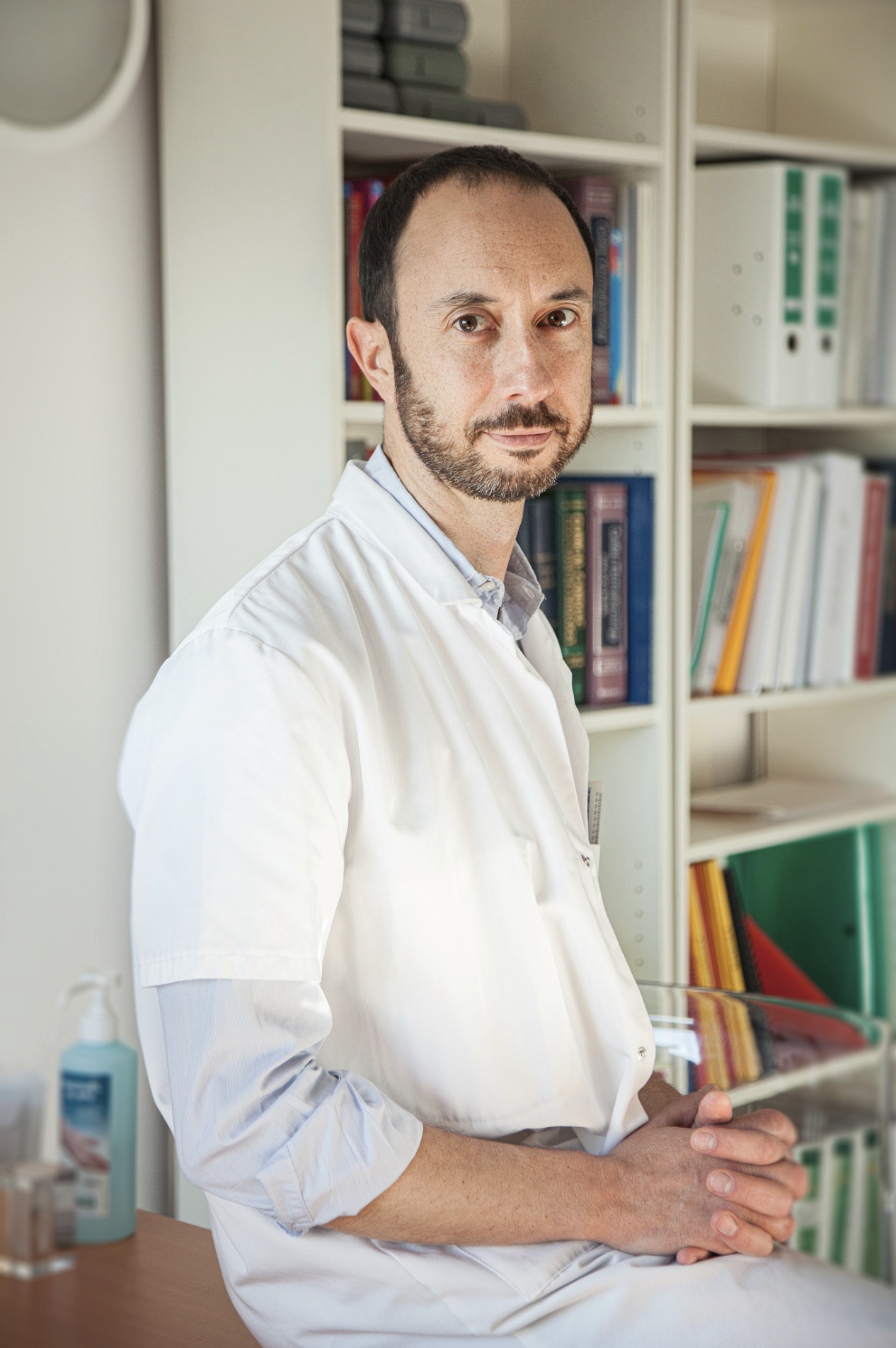
Dr. Michaël Arroche
Dentist
Dr Jeremy Haccoun
Dentist
Dr. Bruno Abehassera
Dentist
Dr. Matthieu Gougeat
Dentist
My Dental Clinic
My Dental Clinic
119 Rue du Président Wilson
Ground floor on the right
92300 Levallois-Perret
contact@mon-cabinetdentaire.com
Tél: 01 42 67 05 04
Monday-Friday: 9:00 a.m. to 7:00 p.m.
Sam: 9:00 a.m. to 4:00 p.m.