What is it?
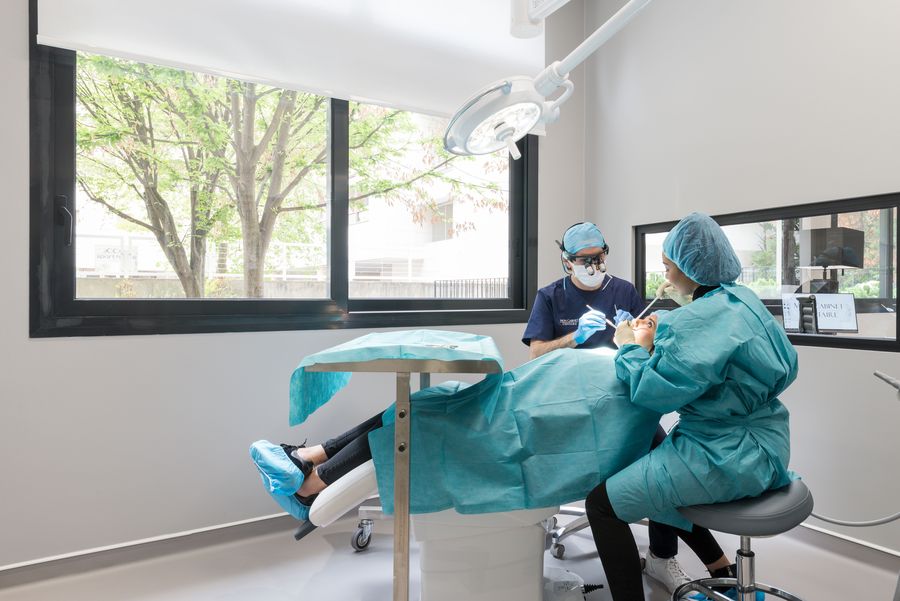
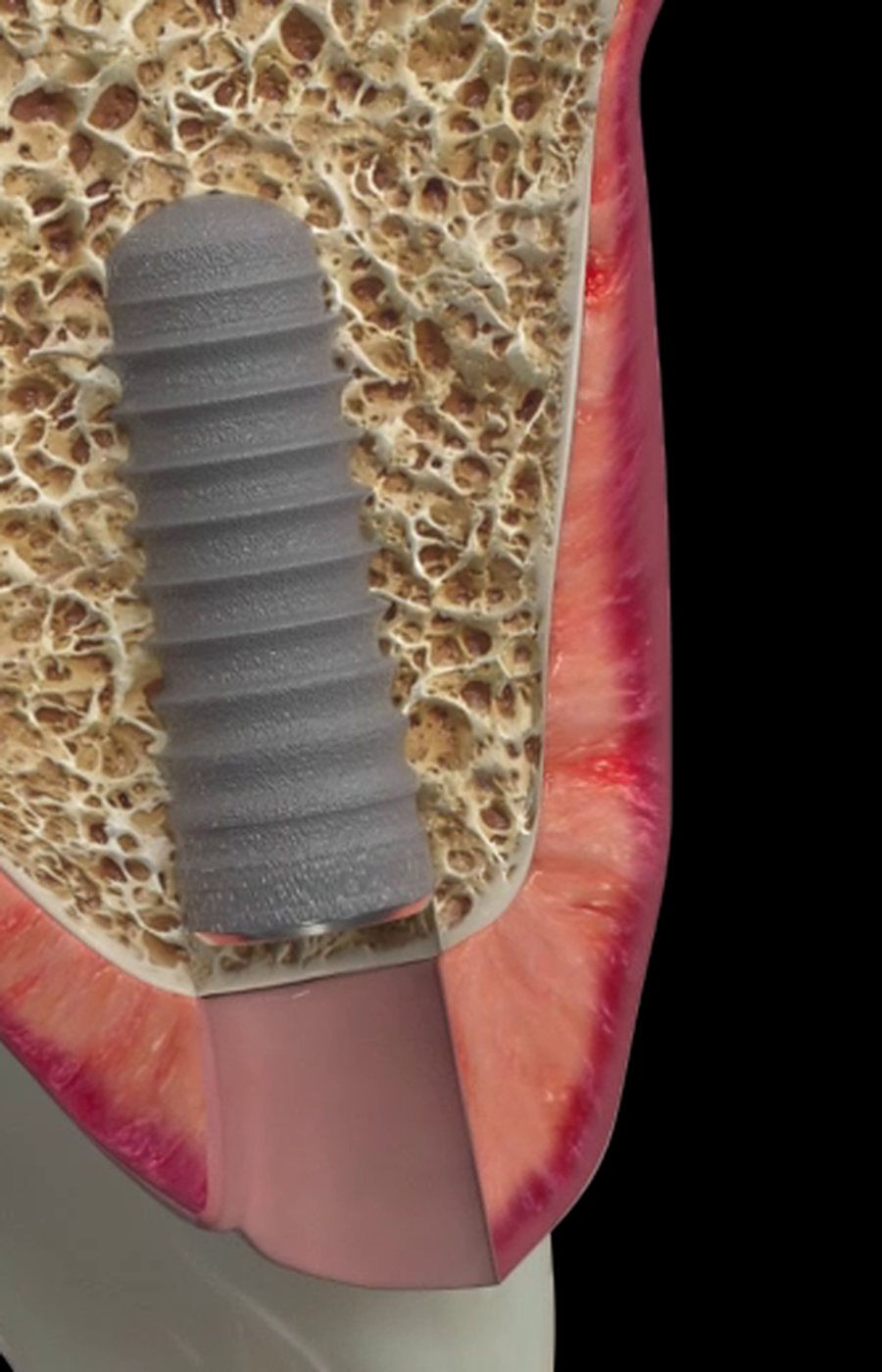
Orthognathic surgery is performed by a maxillofacial surgeon, in a hospital, under general anaesthesia. It moves the upper jaw (maxilla), the lower jaw (mandible) or both, to restore a correct fit of the teeth and a balanced face. The incisions are made inside the mouth, with no visible scar; the bones are held with small titanium plates.
When is it indicated?
- Retruded lower jaw (skeletal class II): receding chin, upper incisors far forward.
- Protruding lower jaw (class III): prominent chin, lower incisors in front of the upper ones.
- Open bite: the upper and lower front teeth do not meet, even with the mouth closed.
- Asymmetry of the face or chin.
- Upper jaw too narrow in adults, when widening is no longer possible with orthodontics alone.
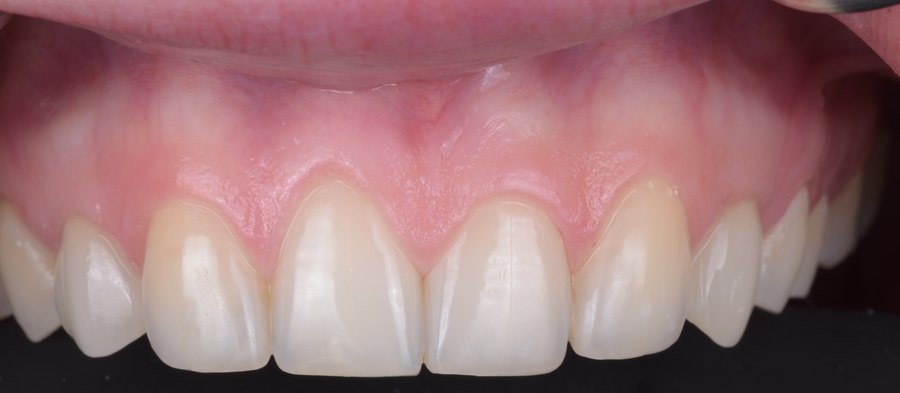
- Vertical maxillary excess: a very gummy smile of skeletal origin.
- Some sleep-related breathing disorders, where advancing the jaws may be part of the treatment, on specialist advice.
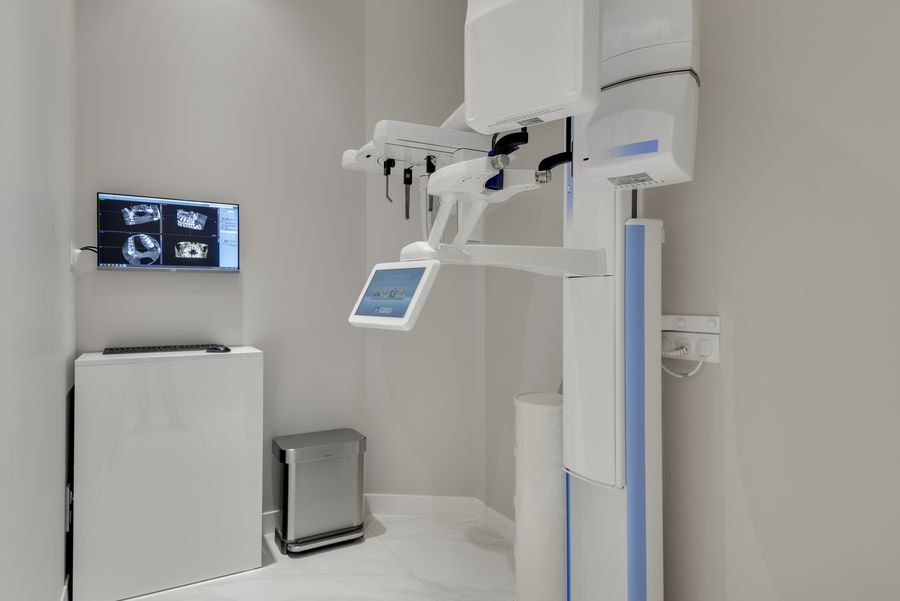
In all these cases the question is the same: can the discrepancy be compensated by moving the teeth, or must the bone be moved? Answering it requires a clinical examination, cephalometric radiographs and often three-dimensional imaging.
The three stages
- Pre-surgical orthodontics: the teeth are aligned on each jaw and placed in their correct position relative to the bone, which may temporarily accentuate the discrepancy; this is normal and planned.
- Surgery: the operation is planned on a digital model; a splint or surgical guide transfers the planned position of the jaws.
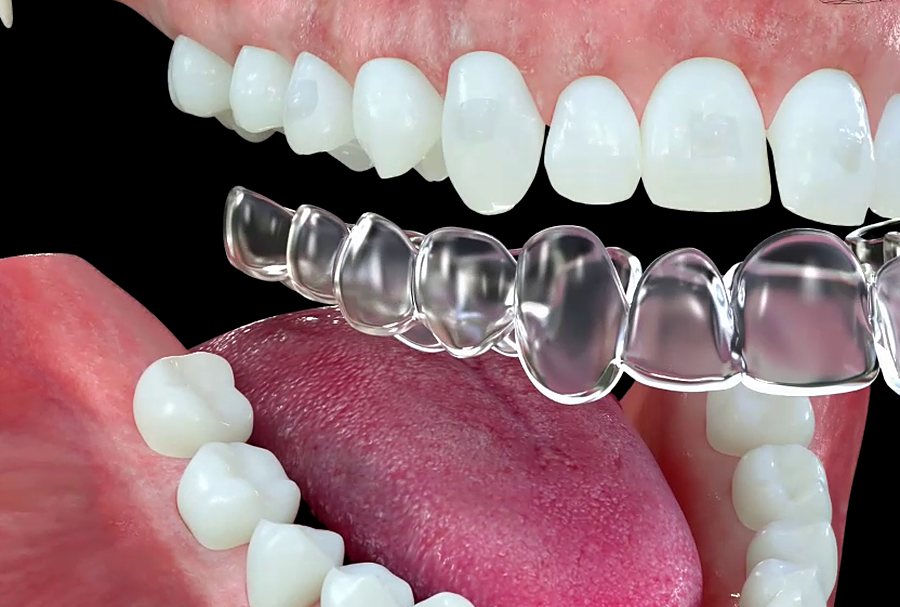
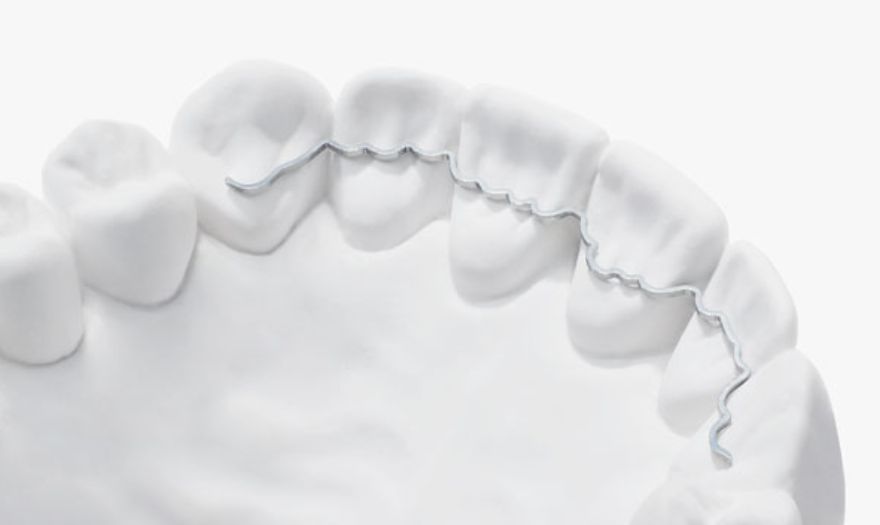
- Orthodontic finishing: after healing, the orthodontist adjusts the fit of the teeth, then fits the retainer.
What to know before deciding
- The treatment is long and involves a team: orthodontist, maxillofacial surgeon, sometimes a speech therapist and a sleep physician.
- Growth must be complete.
- The benefits are functional (chewing, breathing, jaw joint) as much as aesthetic.
- Like any surgery, it carries risks, explained by the surgeon: altered sensation of the lip and chin, infection, bleeding, the need for a revision.
- The conditions of coverage are specified by the surgeon and the orthodontist according to your situation.
The role of the practice’s orthodontist
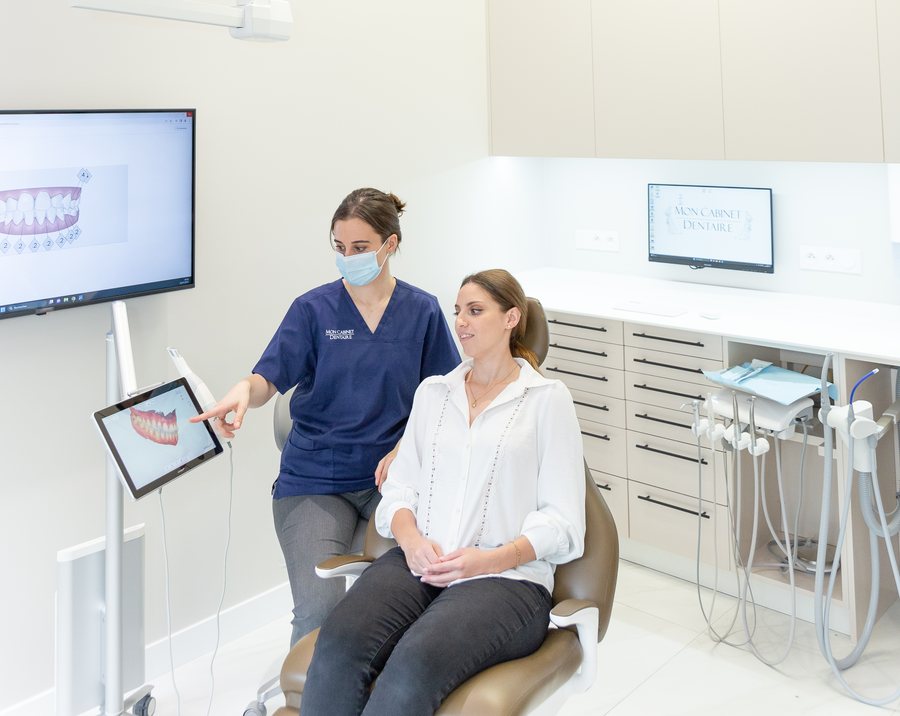
The orthodontist establishes the indication, coordinates the project with the maxillofacial surgeon and carries out the orthodontic phases before and after the operation. At the practice, these treatments are followed by Docteur Alison Cohen, specialist orthodontist, and Docteur Margaux Rioual, in liaison with hospital maxillofacial surgery teams.