
Periodontal surgery
Guided Tissue Regeneration
The periodontal disease It is a chronic bacterial infection that attacks the supporting tissues of the teeth, including the gums and the alveolar bone. This often insidious pathology begins with gingival inflammation and, if untreated, can lead to progressive bone loss. The destruction of the supporting structures leads to increased mobility of the teeth and, in advanced cases, to their loss.
The Guided tissue regeneration (RTG) It is an innovative procedure aimed at restoring lost structures by stimulating bone and tissue regeneration. It is based on advanced biological principles and modern technologies to offer predictable results.
Key Steps in Guided Tissue Regeneration
Guided tissue regeneration combines different steps and techniques to maximize its effectiveness:
1. Laser Diode decontamination
Decontamination is an essential step to eliminate the bacteria and viruses responsible for the inflammation. The use of laser diode It allows to achieve decontamination of 99 % infected surfaces, including gingival tissues and periodontal pockets. This technology acts selectively, minimizing damage to healthy tissues while eradicating pathogens.
2. Erbium-YAG Laser Instrumentation
The Erbium-YAG laser It is used to instrument the deep pockets. This high-precision tool is capable of destroying the tartar under the gums, which is the main cause of the progression of periodontal pockets. The laser effectively vaporizes the tartar while respecting the surrounding tissues. On the X-ray, the tartar under the gums (visible in the form of opaque areas) is removed, allowing optimal access to the affected bone area.
Bone filling
Once the area has been decontaminated, a filling material is inserted into the bone defect. These materials include:
- Synthetic bone powders (hydroxyapatite, tricalcium phosphate): biocompatible, they promote bone growth.
- Demineralized human bone Rich in protein-inducing minerals, it stimulates the natural processes of regeneration.
The bone gain obtained is visible on post-operative radiographs, showing increased density and restoration of bone volume (indicated by radiographic landmarks, such as the red lines). - Introduction of Growth Factors
The Growth factors (such as PRF – Fibrin-rich plasma, or BMP – Bone Morphogenetic Protein) play a crucial role in regeneration. These biomolecules stimulate bone and gingival cells, promoting cell proliferation, collagen synthesis, and angiogenesis. They also accelerate the healing process and strengthen the stability of the results.
Mechanism of Bone Regeneration
During the procedure, the bone cells and growth factors They are deposited in the area where the bone was lost. This site is usually protected by a regeneration membrane that prevents the invasion of soft tissues. These membranes, whether resorptive or non-resorptive, maintain a stable environment to allow bone cells to colonize the area and reconstruct the bone structure.
Role of Lasers in Tissue Regeneration
The use of lasers significantly improves the results of guided tissue regeneration. They offer several advantages:
- Selective removal of infected tissues The lasers target only the pathological areas, thus reducing trauma and inflammation.
- Stimulation of healthy tissues In addition to their decontamination effect, some lasers stimulate fibroblasts and bone cells, promoting regeneration.
- Reduction of post-operative pain Thanks to their precision, lasers minimize iatrogenic injuries, reducing discomfort and accelerating recovery.
Benefits for the Patient
Guided tissue regeneration, combined with laser technologies, offers several advantages:
- Restoration of support structures The patient regains increased dental stability and better masticatory comfort.
- Preservation of natural teeth This approach allows to avoid or delay tooth extraction.
- Reduction of the risk of recidivism Effective decontamination and bone regeneration significantly reduce the risk of reinfection and subsequent bone loss.
Conclusion
The Guided tissue regeneration It represents a major advance in the treatment of advanced periodontal diseases. By combining advanced biomedical techniques such as lasers and growth factors, it offers an effective solution for restoring the supporting tissues of the teeth. This approach, both conservative and regenerative, significantly improves the quality of life of patients while preserving their oral health in the long term.
Your specialist
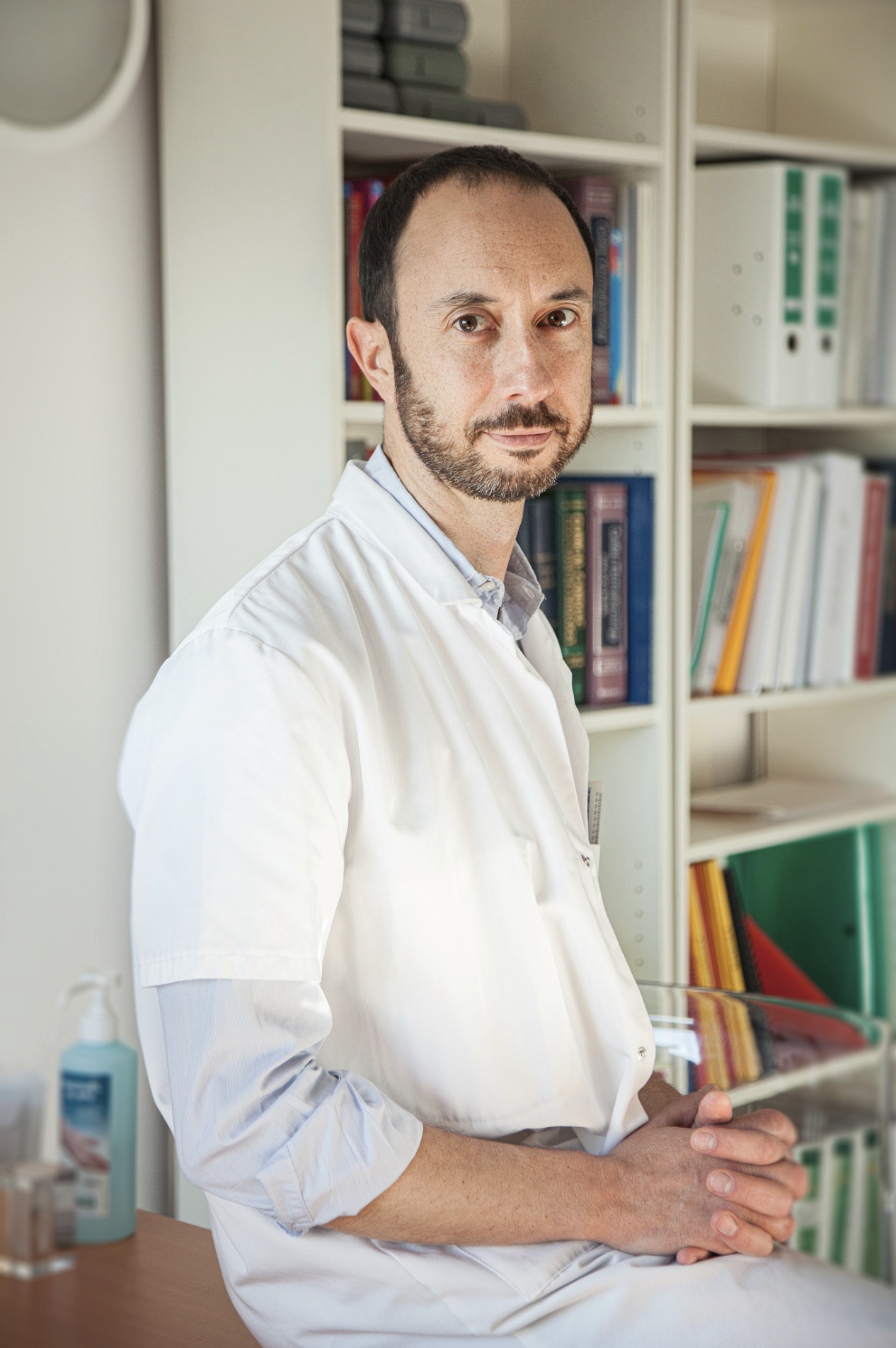
Dr Victor Hazout
Periodontist
My Dental Clinic
My Dental Clinic
119 Rue du Président Wilson
Ground floor on the right
92300 Levallois-Perret
contact@mon-cabinetdentaire.com
Tél: 01 42 67 05 04
Monday-Friday: 9:00 a.m. to 7:00 p.m.
Sam: 9:00 a.m. to 4:00 p.m.